Skip to content

Sharing Moxibustion Care

  • knowledgeExpand
    • Moxibustion Care Methods
  • Q&AExpand
    • Moxibustion Care Q&A
Sharing Moxibustion Care
  • How to Do Moxibustion at Home for Shoulder Pain
    Moxibustion Care Methods

    How to Do Moxibustion at Home for Shoulder Pain

    ByJH 05/10/202505/10/2025

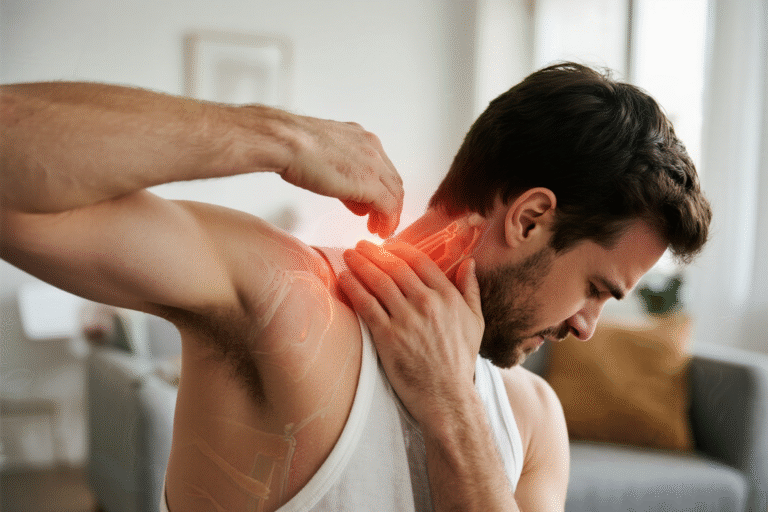
    Frozen shoulder is a common shoulder problem, and many people who prefer to perform moxibustion at home often encounter the question, “How to Do Moxibustion at Home for Shoulder Pain.” In fact, by applying moxibustion to specific acupoints, you can effectively alleviate pain, improve circulation, and relieve stiffness in the shoulder area, helping you overcome frozen shoulder and restore health and comfort.
    Read More How to Do Moxibustion at Home for Shoulder PainContinue

  • why hot water bag cannot replace moxibustion
    Moxibustion Care Q&A

    Why a Hot Water Bag Cannot Replace Moxibustion Therapy

    ByJH 02/10/202508/10/2025

    Why a hot water bag cannot replace moxibustion therapy? Since both provide heat? This is a common question asked by people who are new to moxibustion. The difference lies like moxa: it is considered a “pure yang herb.” The heat generated by burning moxa not only warms the body but also stimulates and activates vital…

    Read More Why a Hot Water Bag Cannot Replace Moxibustion TherapyContinue

  • Natural Remedy for Back Pain
    Moxibustion Care Methods

    Try Moxibustion, a Natural Remedy for Back Pain

    ByJH 29/09/202529/09/2025

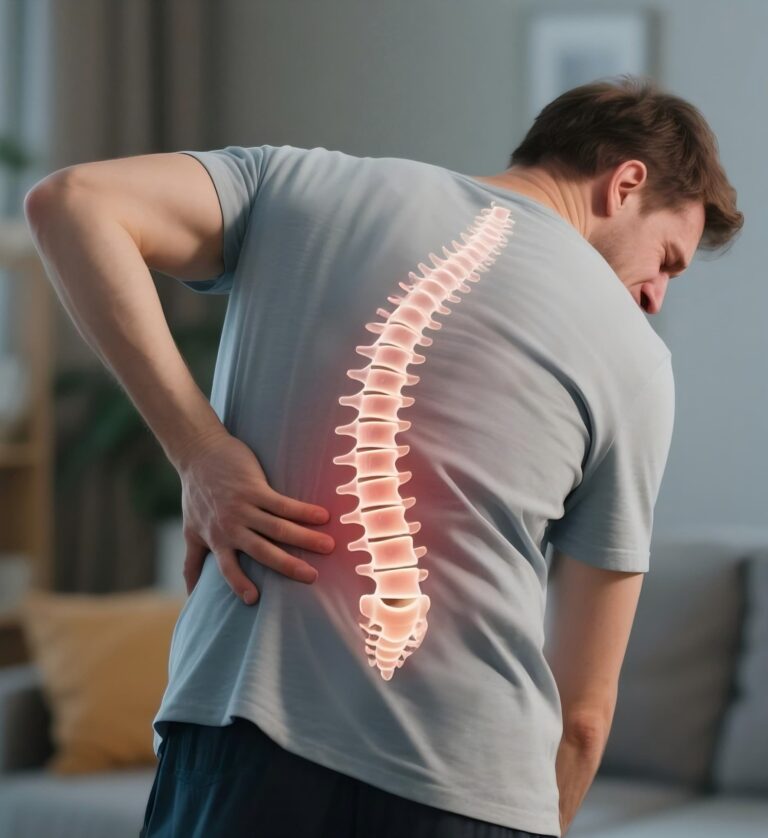
    Back pain is a common nuisance in many people’s lives, particularly for those who sit for long periods or engage in manual labor. Not only does it interfere with daily activities, but it can also diminish one’s quality of life. Fortunately, there is a natural remedy for back pain—moxibustion, a time-honored approach to alleviating discomfort.

    Read More Try Moxibustion, a Natural Remedy for Back PainContinue

  • How to do moxibustion for coughing
    Moxibustion Care Methods

    How to do moxibustion for coughing

    ByJH 25/09/202525/09/2025

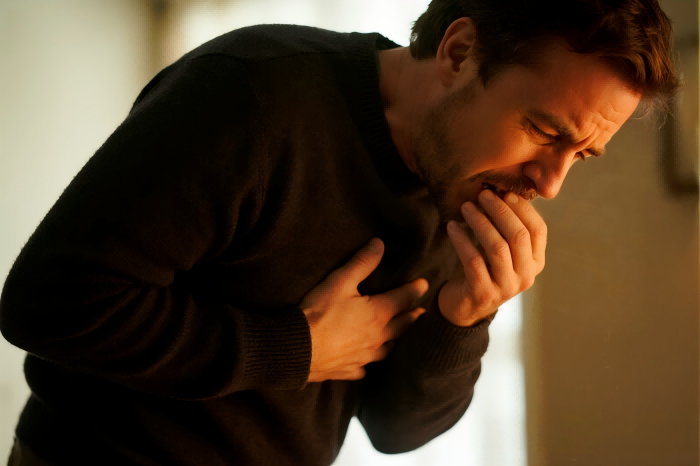
    Cough is one of the most common symptoms of the respiratory system and is usually seen in conditions such as the common cold, upper respiratory tract infections, bronchitis, or pneumonia. From the perspective of Traditional Chinese Medicine (TCM), most coughs are considered “external coughs,” meaning they are caused by external factors such as “wind-cold” or “summer-heat,” with wind-cold coughs being the most common. On the other hand, if the body’s internal lung qi is weak or lung yin is insufficient, it can also lead to what is known as an “internal cough.” For those interested in natural therapies, learning how to do moxibustion for coughing may provide additional relief by helping to regulate lung qi and dispel external pathogens.

    Read More How to do moxibustion for coughingContinue

  • Cold and Flu Moxibustion Therapy
    Moxibustion Care Methods

    Practical Guide to Cold and Flu Moxibustion Therapy

    ByJH 23/09/202523/09/2025

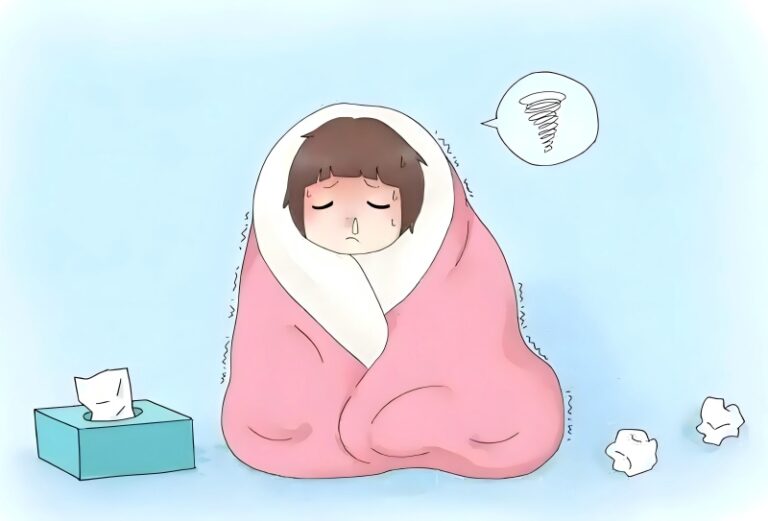
    The common cold is a very common illness. The main symptoms include a stuffy or runny nose, sneezing, headache, chills, and sometimes a mild fever. Colds are more common in children and in older adults with weaker immunity. They are contagious, meaning you can catch them through close contact or by inhaling droplets in the…

    Read More Practical Guide to Cold and Flu Moxibustion TherapyContinue

  • Why is moxibustion effective?
    Moxibustion Care Q&A

    Why is moxibustion effective?

    ByJH 19/09/202519/09/2025

    Why is moxibustion effective, and what is the key to its effectiveness?The human body possesses a powerful self-healing ability, known as “positive qi” in Traditional Chinese Medicine (TCM).Positive qi helps the body resist illness and restore health when it is weakened.The key to moxibustion’s effectiveness lies in its ability to stimulate this innate healing power.

    Read More Why is moxibustion effective?Continue

  • Who Should Not Do Moxibustion
    Moxibustion Care Methods

    Who Should Not Do Moxibustion? 7 Vital Safety Rules

    ByJH 16/09/202516/09/2025

    Who Should Not Do Moxibustion? While moxibustion offers numerous health benefits, it is not suitable for everyone. Certain individuals should avoid this therapy, including pregnant women—especially on the abdomen and lower back—to prevent potential risks to the fetus. Those with acute illnesses, unexplained high fever, or extreme physical weakness are also advised against it.

    Read More Who Should Not Do Moxibustion? 7 Vital Safety RulesContinue

  • moxibustion Shenque
    Moxibustion Care Methods

    You must know the 6 benefits of moxibustion Shenque point

    ByJH 13/09/202513/09/2025

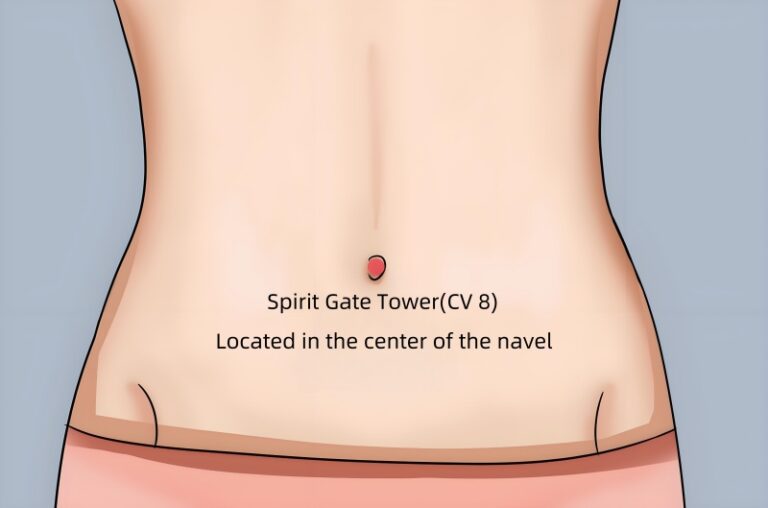
    In the vast treasure trove of traditional Chinese medicine, there is a special acupuncture point often called “the root of life” or “the vitality of the residence.” This is the Shen Que point, located at the navel. As the body’s only innate connection to the mother’s placenta, the Shen Que point holds a unique significance for our health. For millennia, the practice of moxibustion Shenque has been a cornerstone of this ancient health wisdom.

    Read More You must know the 6 benefits of moxibustion Shenque pointContinue

  • Home Moxibustion
    Moxibustion Care Methods

    Enhancing Home Moxibustion: Six Tips for Better Results

    ByJH 10/09/202510/09/2025

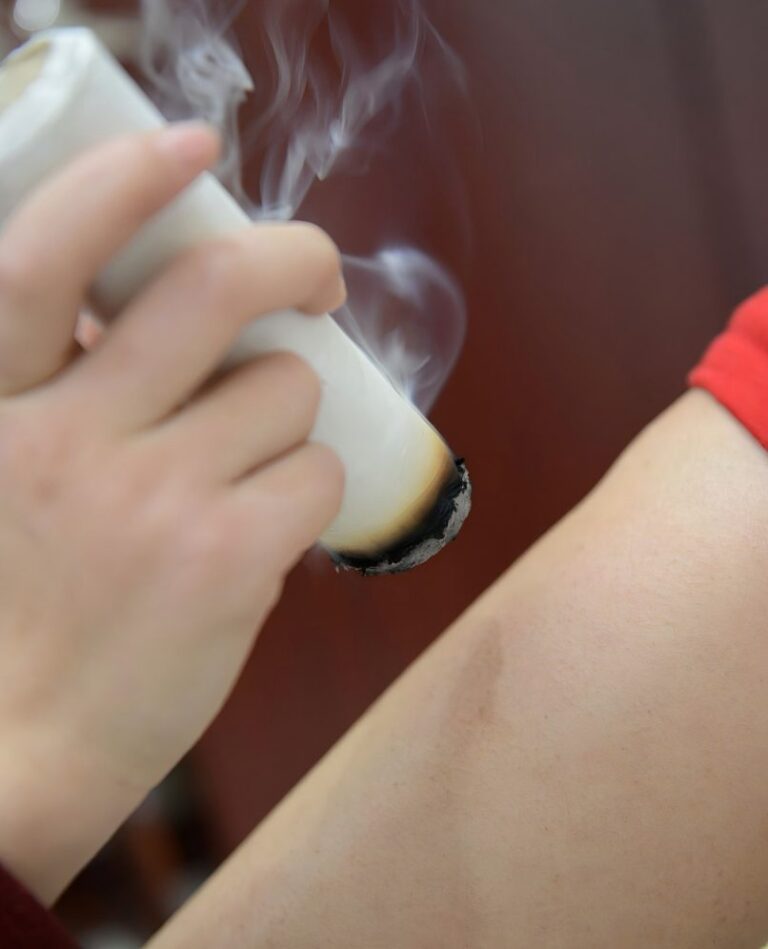
    There is no doubt that moxibustion is an effective method for treating illness and strengthening the immune system. In Home Moxibustion, achieving the best therapeutic results requires attention from both the practitioner and the recipient. Key aspects to consider include the treatment goal, the quality of the moxibustion materials, the correct selection of acupoints, the appropriate dosage and duration, as well as the sensations experienced during the session.

    Read More Enhancing Home Moxibustion: Six Tips for Better ResultsContinue

Page navigation

Previous PagePrevious 1 2 3 4 5 Next PageNext

© 2026 Privacy Policy   Sharing Moxibustion Care

  • knowledge
    • Moxibustion Care Methods
  • Q&A
    • Moxibustion Care Q&A
Search