Smokeless Moxibustion Sticks vs Traditional Moxibustion
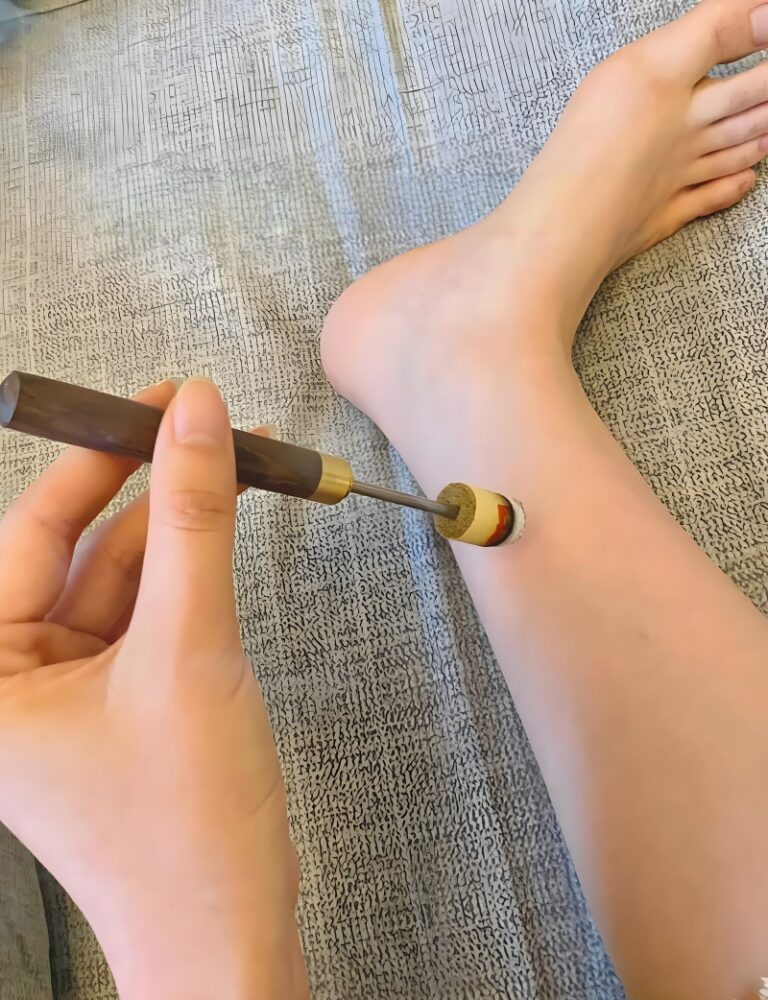
As a practitioner in the moxibustion industry, I have witnessed the evolution from traditional moxibustion sticks to various “innovative” products. When smokeless moxibustion sticks first gained popularity, I, like many colleagues, felt both intrigued and cautious. Today, drawing from practical experience, I would like to discuss this topic objectively.
The Gap Between Ideal and Reality
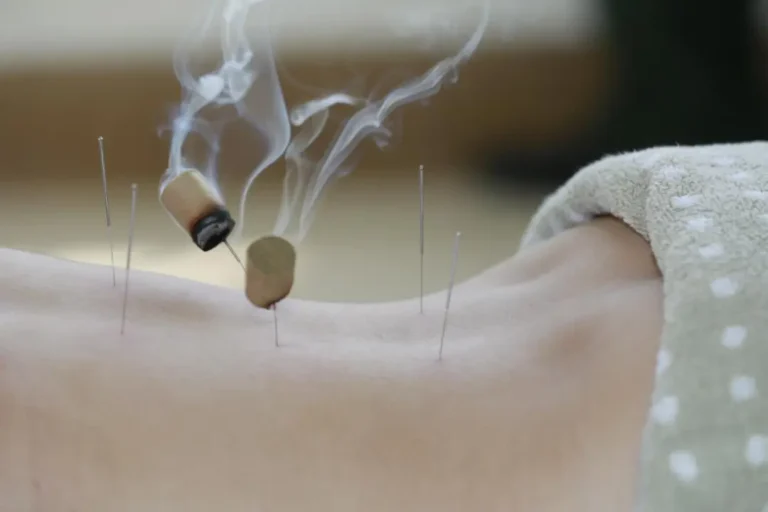
When I first encountered smokeless moxibustion sticks, I was drawn to their marketing claims: smoke-free, odorless, convenient, and environmentally friendly. As an acupuncturist frequently working in enclosed spaces, the smoke from traditional moxibustion is indeed a challenge. Not only can it cause discomfort for clients, but prolonged inhalation can be detrimental to a practitioner’s health.
However, after testing several mainstream smokeless moxibustion sticks, I found significant discrepancies between advertised claims and actual performance:
- Inconsistent Burn Times: Some products claimed a two-hour burn time but lasted only 40 minutes, directly impacting treatment efficacy and the client experience.
- Differences in Heat Sensation: The heat from smokeless moxibustion sticks tends to be more “concentrated” but lacks the gentle, penetrating warmth of traditional moxibustion. Many long-time clients report that the heat seems to “stay on the skin’s surface” rather than sinking into the meridians.
- Ingredient concerns: Through combustion tests, I discovered that some inexpensive smokeless sticks contain significant amounts of non-mugwort fillers, raising doubts about their medicinal value.
When are Smokeless Moxibustion Sticks “Appropriate”?
Smokeless moxibustion sticks are not without merit, but they have clear limitations.
Suitable Scenarios:
- Individuals sensitive to smoke (e.g., asthma patients or those in early-stage pregnancy).
- Office spaces or home environments with high air quality standards and limited ventilation.
- As a supplement to traditional moxibustion for short-term stimulation of specific acupoints.
- Beginners practicing acupoint localization and basic techniques.
Limitations:
- Chronic Conditions: For issues requiring deep regulation, traditional moxibustion remains more effective.
- Large-Area Applications: Smokeless sticks often offer limited heat coverage.
- The “Deqi” Sensation: Experienced users often find it difficult to achieve the desired “Qi” sensation with smokeless alternatives.
- Medicinal Smoke: Traditional Chinese Medicine recognizes the medicinal properties of moxibustion smoke itself, which is lost in smokeless versions.
Smokeless Doesn’t Necessarily Mean “Better”
There are several potentially counterintuitive findings to consider. First, a completely smoke-free process may imply the loss of active components. The complex volatile compounds released during traditional combustion include pharmacologically active elements that may regulate the nervous system. Overemphasizing “smoke-free” could lead to the destruction of these components.
Second, convenience may diminish moxibustion’s core value. Traditional moxibustion requires focused application and precise distance control—an inherently therapeutic process. It is a ritual for mind-body regulation. The “instant-use” nature of smokeless sticks may cause us to overlook the importance of this concentrated state of treatment.
Finally, price does not always dictate quality. In testing sticks ranging from $0.70 to $7.50, I found no direct correlation between cost and effectiveness. Some mid-priced products with transparent ingredient lists proved more practical than over-packaged premium brands.
Efficacy and Application
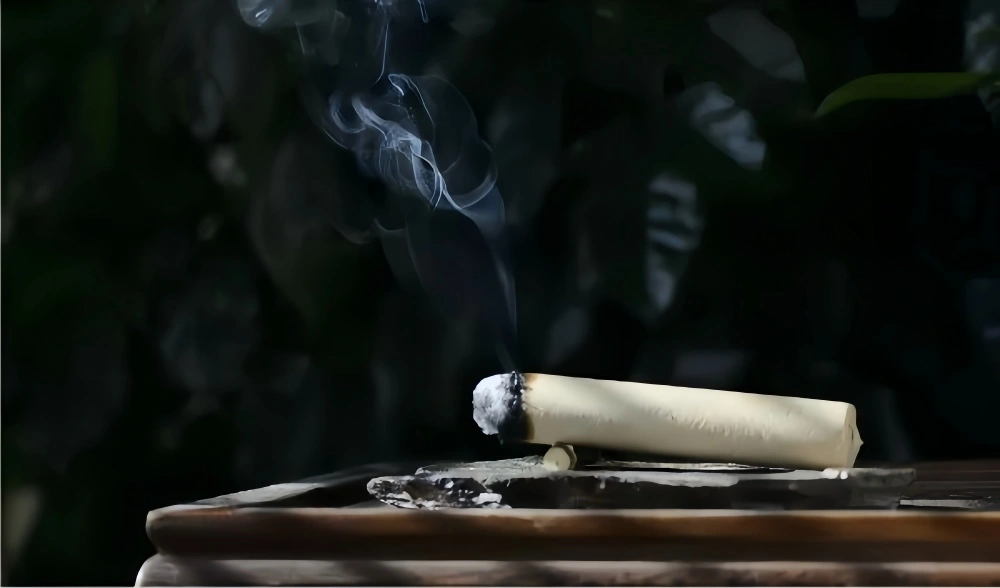
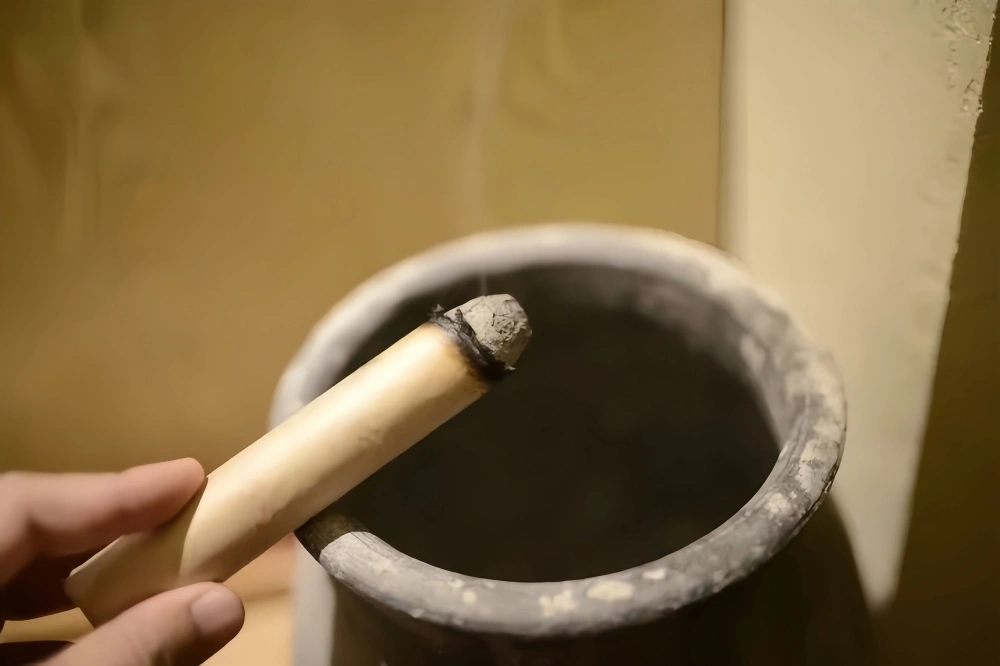
Some say, “No smoke, no moxibustion; no fire, no moxibustion.” This implies that true moxibustion requires the synergy of mugwort, fire, and smoke.
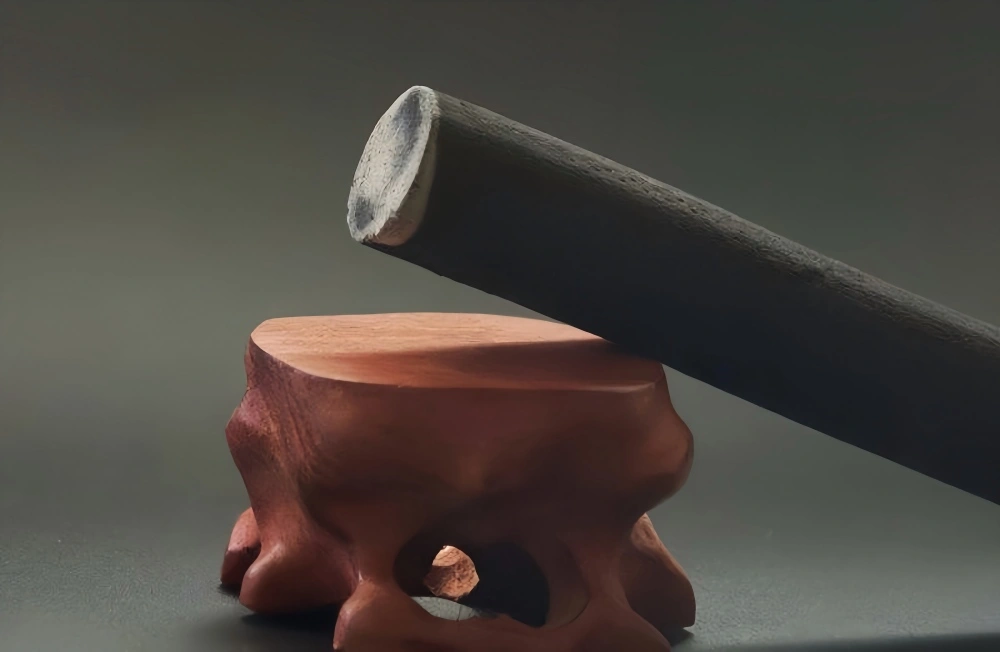
Functionally, both types can warm meridians, dispel cold, and tonify Yang. However, their focuses differ. Smokeless sticks undergo a carbonization process. This high-heat carbonization can enhance hemostatic properties, making them useful in specific gynecological applications. Yet, this same process eliminates the volatile oils of the mugwort leaf.
Ancient texts, such as the Essential Prescriptions Worth a Thousand Gold, recognized mugwort smoke as a vital tool for disease prevention. Therefore, while smokeless sticks are a functional tool, they are not a total replacement for traditional moxibustion.
My Approach to Balance
I follow these guiding principles in my practice:
- Adaptation: For new or smoke-sensitive clients, I begin with reliable smokeless sticks for initial conditioning.
- Depth: For clients requiring deeper therapeutic intervention, I recommend traditional moxibustion as the primary method.
- Environment: I suggest traditional sticks when conditions permit, but recommend smokeless products for apartment living or poorly ventilated spaces.
- Transparency: I explain the differences between the two methods, allowing clients to make an informed choice.
Industry Expectations
It is concerning to see smokeless sticks marketed as a “complete replacement” for traditional moxibustion. This is unprofessional. An ideal modern product should minimize smoke while maximizing the retention of mugwort’s active ingredients and the specific thermal properties of the herb.
The appeal of moxibustion lies in its holistic approach and ancient wisdom. Innovation should be built upon a respect for tradition, not just a desire for convenience. In our pursuit of a smoke-free environment, we must be careful not to filter out the very essence of the therapy.