What Is Moxibustion Therapy: Beyond Heat & Tradition
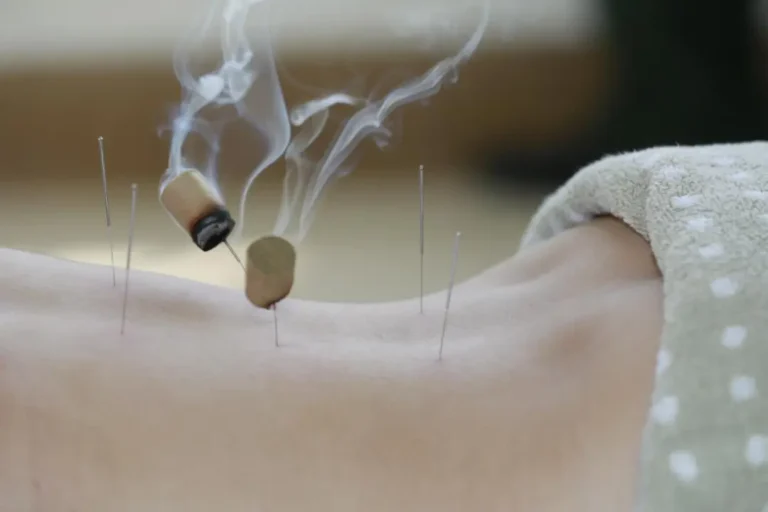
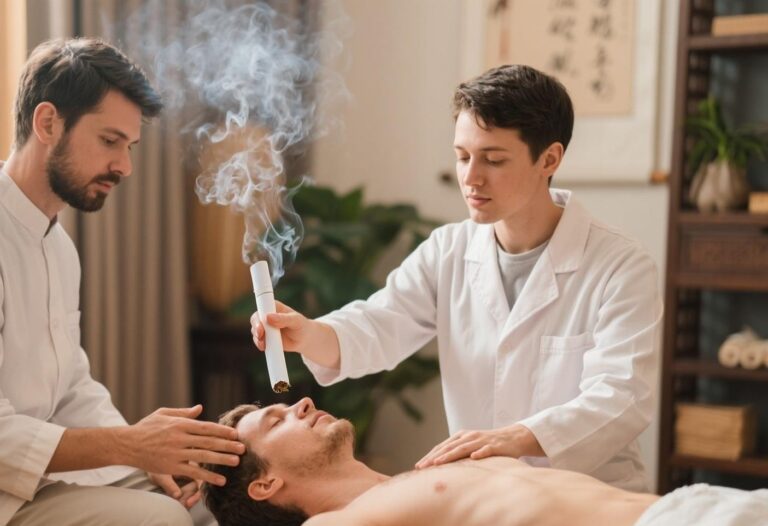
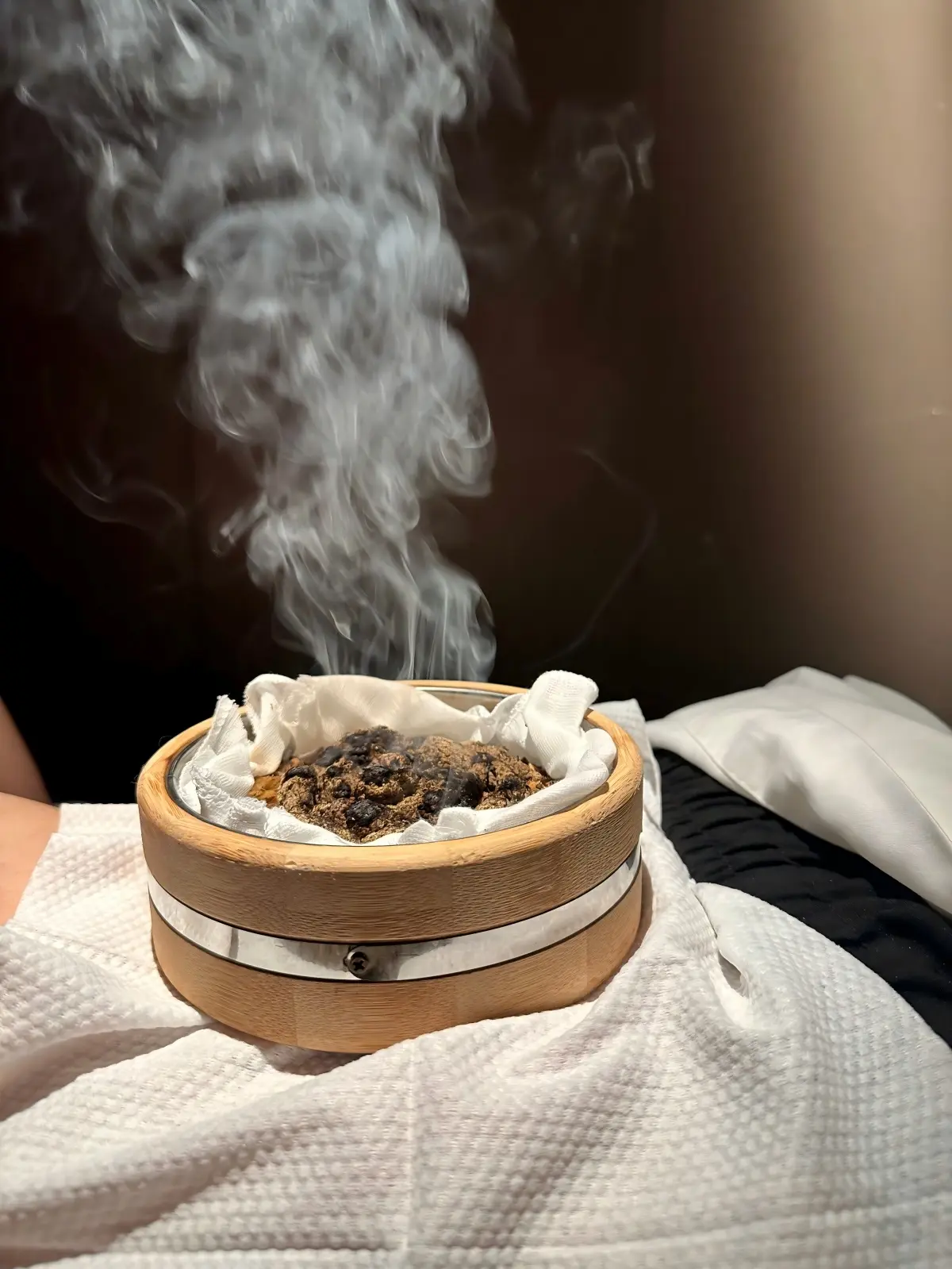
Moxibustion—this ancient therapy accompanied by wispy smoke and a distinctive aroma—is quietly resurging in modern wellness practices. Yet behind this trend lie numerous mythologized tales and dangerous misconceptions. What is moxibustion therapy? True moxibustion is far more than simply “applying heat with fire”; it is a precise art integrating time-honored wisdom with modern scientific understanding.
Ⅰ. Dispelling Common Misconceptions
To understand what is moxibustion therapy, we must first move beyond folklore and examine the clinical reality of the practice.
1. Misconception: Moxibustion Treats Only Cold Syndromes
Traditionally, it’s seen as the quintessential “warming therapy for cold conditions,” specifically treating various deficiency-cold syndromes. While true, modern practice reveals this is only half the story. Skillful moxibustion can also regulate certain heat syndromes—achieving “directing fire downward” through specific acupoint combinations.
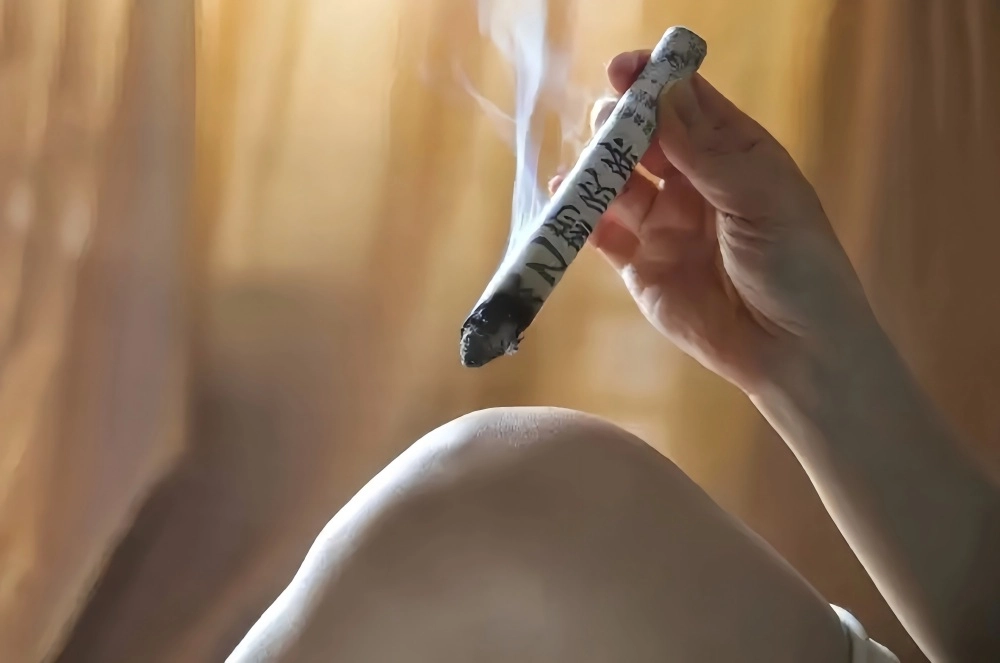
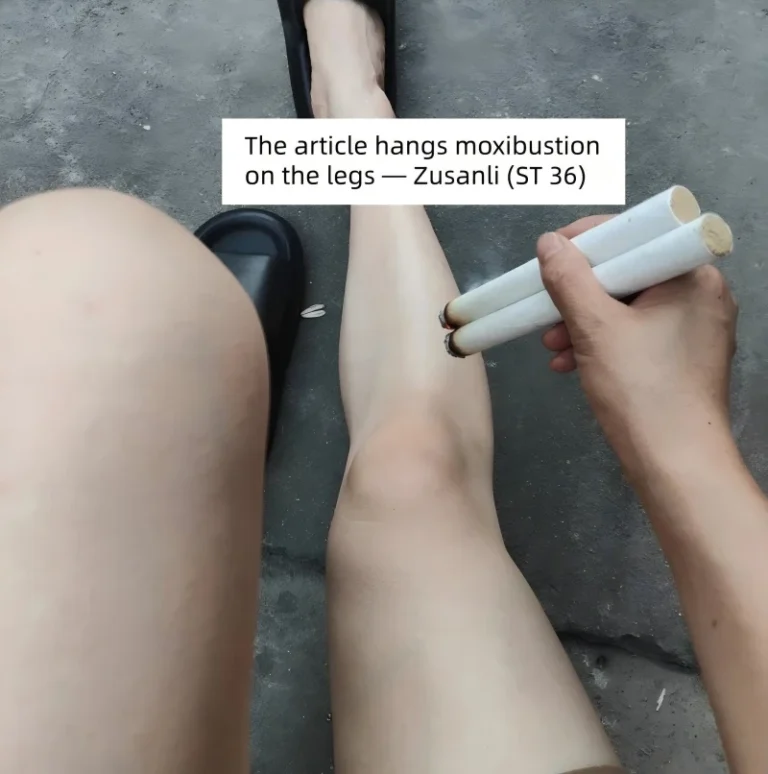
- For Halitosis (Stomach Fire): Applying moxibustion to the Zusanli (ST36) point can redirect upward-rising fire back to its proper place.
- For Throat Pain (Deficient Fire): Moxibustion on Yongquan (KI1) often yields remarkable results by anchoring floating heat.
- The Reality: This shatters the dogma that heat conditions are an absolute contraindication, provided the practitioner understands how to “conduct” energy rather than just add to it.
2. Misconception: The Hotter, the Better
Another notion that must be completely reversed is “the hotter, the better”. Folk beliefs like “blisters mean effectiveness” or even pursuing “moisture-forming moxibustion” actually confuse low-temperature burns with therapeutic efficacy.
- The “Moxibustion Sensation”: The goal is a deep-seated warmth that penetrates the skin and spreads through the meridians, not superficial redness or pain.
- The Principle: True efficacy comes from “Qi reaching its destination,” not “injury reaching its destination.”
Ⅱ. Safety Boundaries and Professional Standards
Given its potent effects, clear boundaries are essential for safety and efficacy.
1. Patient Restrictions (The Red Lines)
- True Heat Syndromes: While moxibustion can treat “Deficient Heat,” it should be avoided by those with “True Heat” or severe Yin deficiency (manifesting as high fever, acute inflammation, or a red tongue with no coating).
- Pregnancy Precautions: In pregnant women, moxibustion is strictly prohibited on the abdomen and lumbar-sacral region.
- General Avoidance: Moxibustion should never be applied directly over major blood vessels, the face (due to scarring risks), or areas of damaged/broken skin.
2. Operational Boundaries
Professional practice is defined by the environment and sequence:
- Environment: Rooms must be well-ventilated without being drafty.
- Timing: Sessions generally should not exceed 60 minutes.
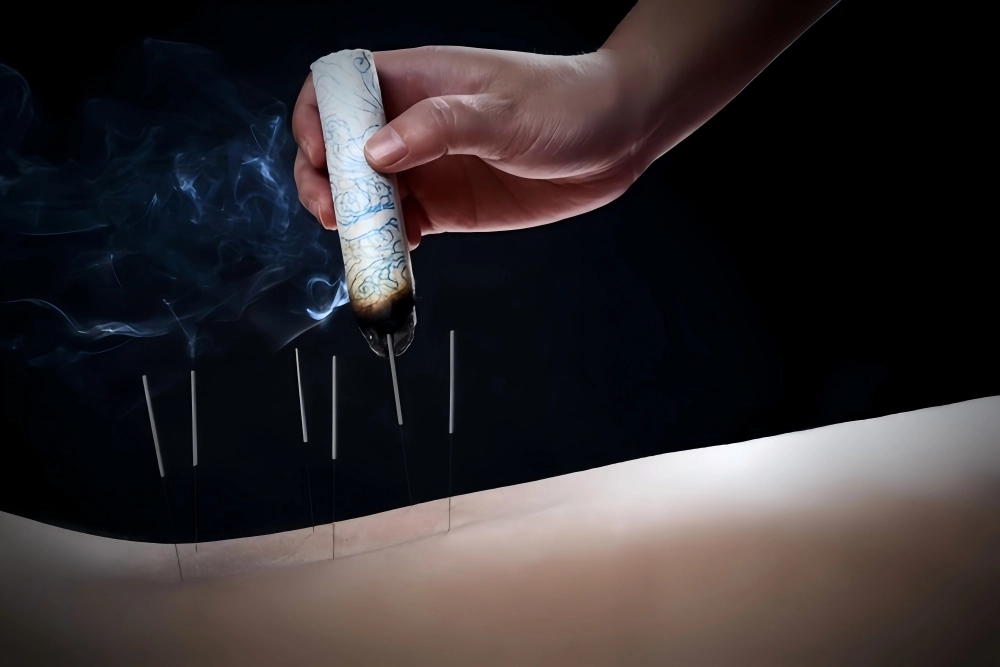
- Sequence: Traditionally, treatment progresses from the back to the abdomen and from the top of the body to the bottom.
3. Management of Expectations
Moxibustion excels at regulating functional, chronic, and deficiency-related conditions such as chronic fatigue, spleen-stomach weakness, and cold-type dysmenorrhea. For organic lesions or acute severe conditions, it serves only as an adjunct, never the primary treatment. Results often require accumulated time; expecting a single session to resolve years of chronic ailments is an unrealistic fantasy.
Ⅲ. The Counterintuitive Nature of Moxibustion
The effectiveness of moxibustion often lies in elements that seem contradictory to the casual observer.
1. The Role of Smoke vs. Thermal Radiation
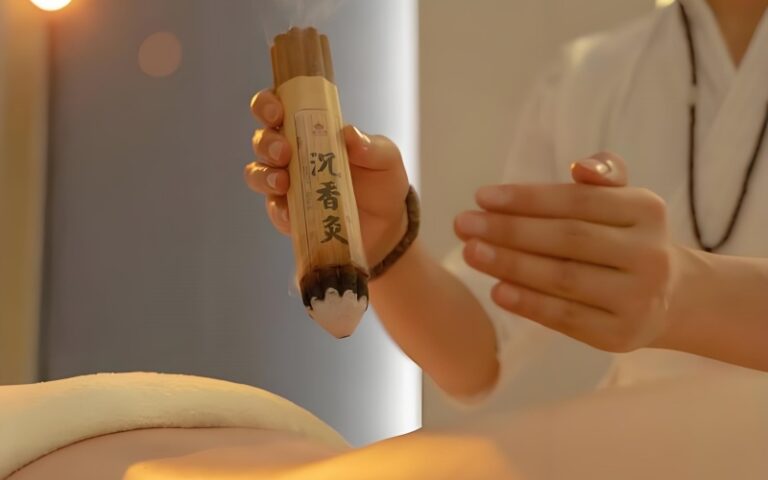
Traditionally, it was believed that “no smoke, no moxibustion,” with the smoke itself considered part of the therapeutic effect. However, modern research reveals that the core mechanism is thermal radiation and the penetration of active components from the mugwort, not the inhalation of smoke.
- Risk Mitigation: Moxibustion smoke contains high levels of harmful particulate matter like PM2.5, posing respiratory risks with prolonged inhalation. Therefore, adequate ventilation or choosing smokeless moxibustion products aligns better with modern health principles.
2. The Wisdom of Barriers (Indirect Moxibustion)
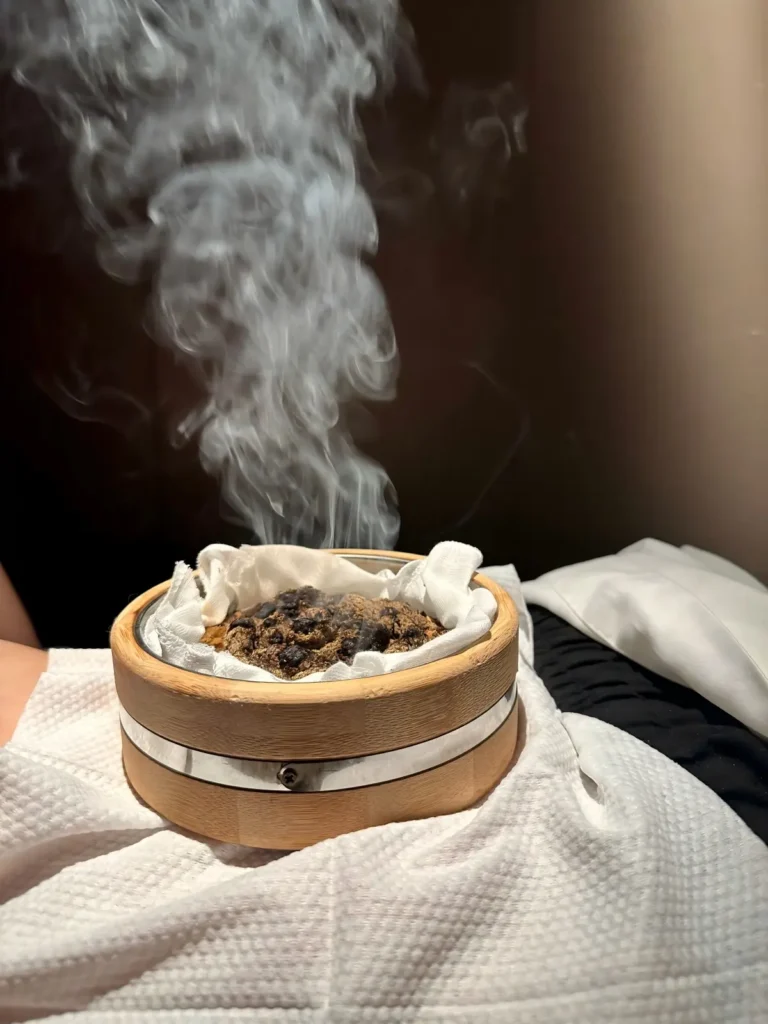
The subtlety of traditional Chinese medicine lies in how moxibustion heat interacts synergistically with the properties of intervening materials—a thin slice of ginger, a layer of fine salt, or an aconite cake.
- Ginger-separated: Enhances the dispersal of cold and warms the middle burner.
- Salt-separated: Excels at channeling heat back to the body’s source (the Kidney/Lower Dantian).
This “indirect” approach often proves more precise and profound than direct contact.
3. Disease-Expelling Reactions
People often expect immediate vitality, but the body’s true response may include increased sleepiness (repair process activated), temporary pain in old injuries (qi rushing to the affected area), or even flu-like symptoms as cold pathogens are expelled. This isn’t a worsening of the condition, but a positive sign that the dormant immune system is activated. Understanding these reactions is key to distinguishing between effective regulation and harmful interference
- Increased Sleepiness: A sign the body has shifted into a “repair mode.”
- Temporary Aches: “Qi” rushing to clear an old blockage in a previously injured area.
- Cold-like Symptoms: The body’s way of expelling deep-seated pathogens. Understanding these reactions is key to distinguishing between healing crises and adverse effects.
Ⅳ. Conclusion: Awakening Self-Healing
Moxibustion’s essence is the art of triggering precise thermal stimulation to awaken the body’s self-regulation and repair capabilities. It does not replace organ function but creates an environment for organs to work better; it does not directly attack pathogens but strengthens vital energy so the body balances itself. Within this warmth that has traversed millennia, what we ultimately touch is not only the profound wisdom of Traditional Chinese Medicine, but also a deep reverence for the human body’s innate capacity for self-healing.