Moxibustion Notes: Natural Therapy For Arthritis Pain
I’ve worked as a wellness practitioner at a health center for eight years. Every day, I witness how various forms of pain leave lasting marks on people’s lives. Among them, arthritis-related discomfort is particularly prevalent—stiff fingers, aching shoulders and necks, and swollen ankles often turn simple daily movements into persistent challenges. Over the years, I have observed a growing number of individuals actively seeking natural therapy for arthritis pain, hoping to avoid long-term medication use and instead pursue gentler, more root-oriented solutions. One of the most reliable and warming methods in my professional practice is moxibustion—an ancient form of Eastern therapeutic wisdom that is now being rediscovered and valued worldwide for its holistic approach to pain management.
Why choose moxibustion for arthritis care?
Let me share a story. Last spring, a piano teacher came to my wellness center. Pain and stiffness in his finger joints were beginning to affect his teaching. An early hospital diagnosis of rheumatoid arthritis had been made, and while medication eased the inflammation, morning stiffness and discomfort persisted. He asked me, “Is there a way to help my body restore balance at its root?”
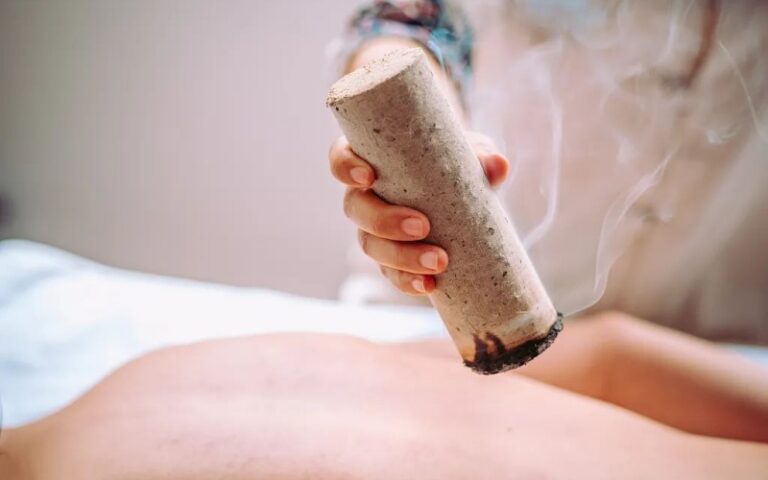
This is precisely where moxibustion comes into play. Traditional Chinese Medicine (TCM) associates arthritis with “obstruction by cold and dampness” and “impaired qi and blood circulation”. Moxibustion uses the warmth of heat and the energy of herbs to dispel cold dampness and promote local qi and blood circulation, thereby relieving pain and restoring joint function. It is a gentle yet deep natural therapy for arthritis pain, particularly suitable as a complementary treatment.
I explained the principles to Mr. Li, the piano teacher, and designed a moxibustion plan for him. After six weeks, he reported that his morning stiffness had reduced by a third and the flexibility in his fingers had significantly improved. Most importantly, he felt actively engaged in his recovery process rather than merely receiving passive treatment.
Essential Preparations Before Moxibustion
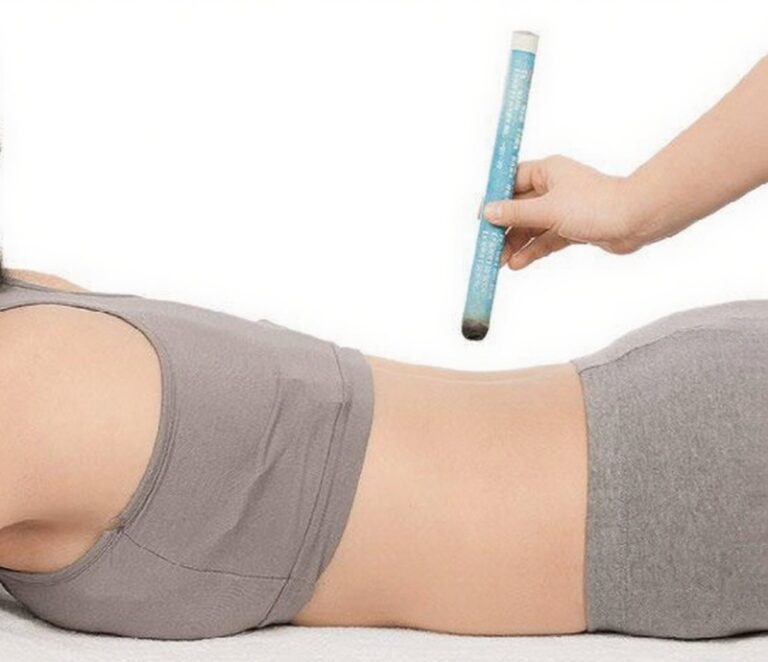
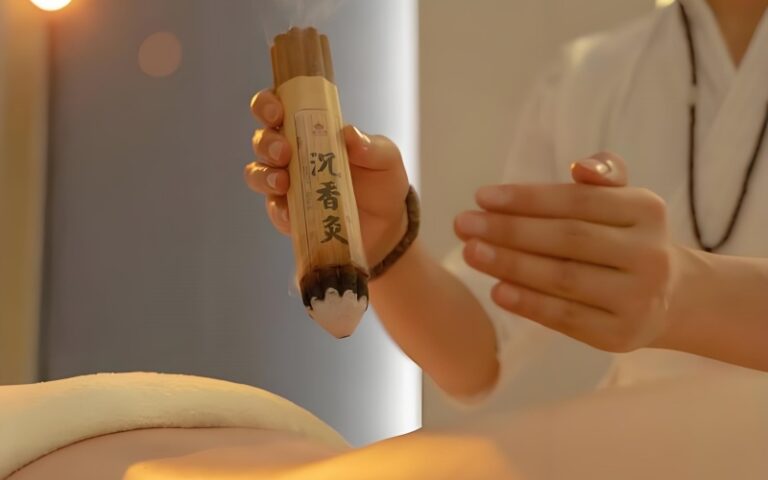
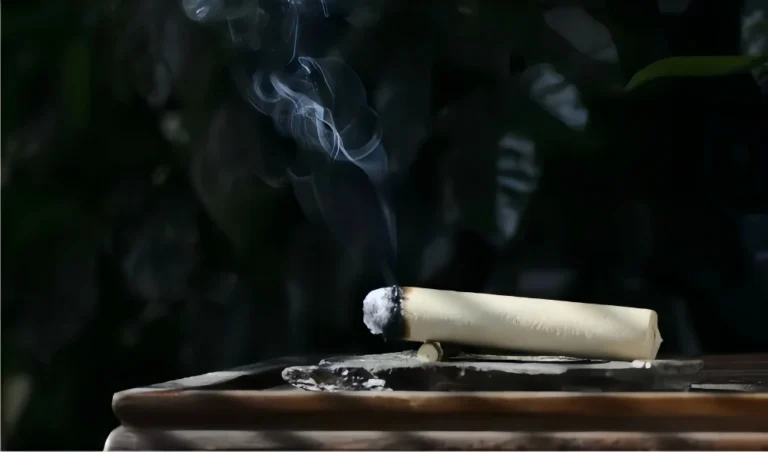
If you’re considering trying moxibustion, prepare these essentials first: First, consult your doctor. Ensure moxibustion is suitable for your specific condition, especially if your arthritis is in an acute inflammatory phase. Choose high-quality moxibustion sticks. Good moxibustion sticks are pure in texture, burn evenly, and produce mild smoke. I typically recommend clients use moxibustion sticks made from three-year-old mugwort.
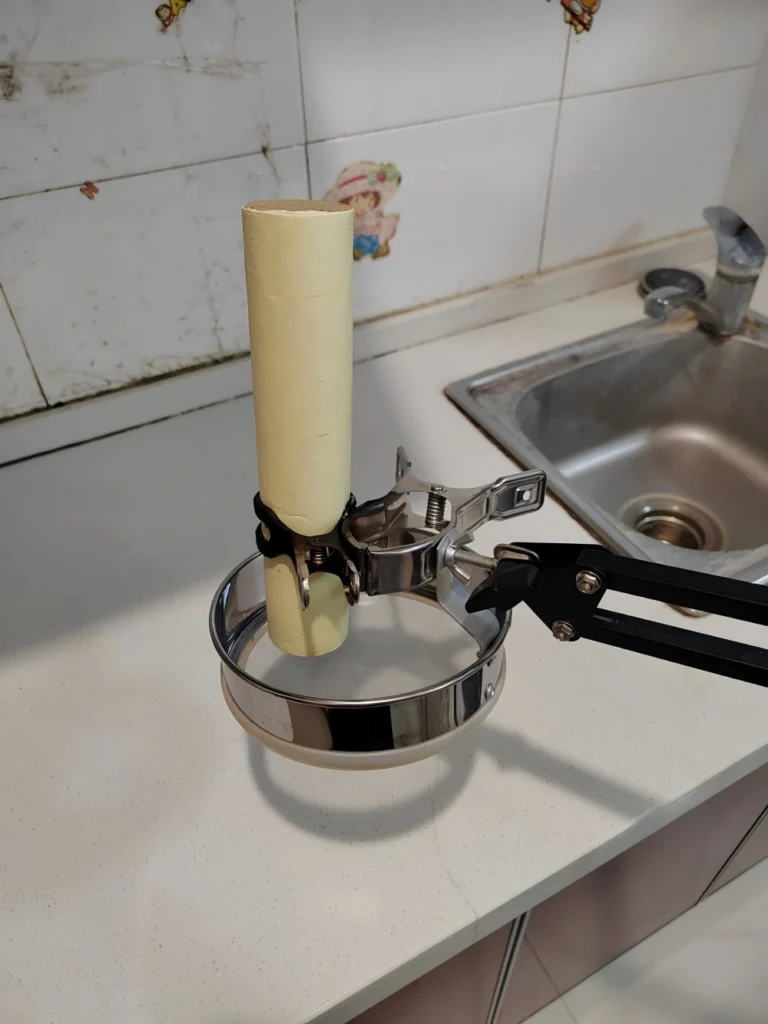
Prepare safe tools. A moxibustion box, stand, and fireproof container are essential. Safety always comes first. Familiarize yourself with basic acupoints. You don’t need to be an expert, but know the key stimulation points for different joints. Stay patient. Moxibustion isn’t a quick fix for pain. Its effects are cumulative, often requiring consistent sessions over several weeks to notice significant changes. Like planting a seed, you need to water it regularly and allow it to grow gradually.
Specific Steps for Hand Joint Moxibustion
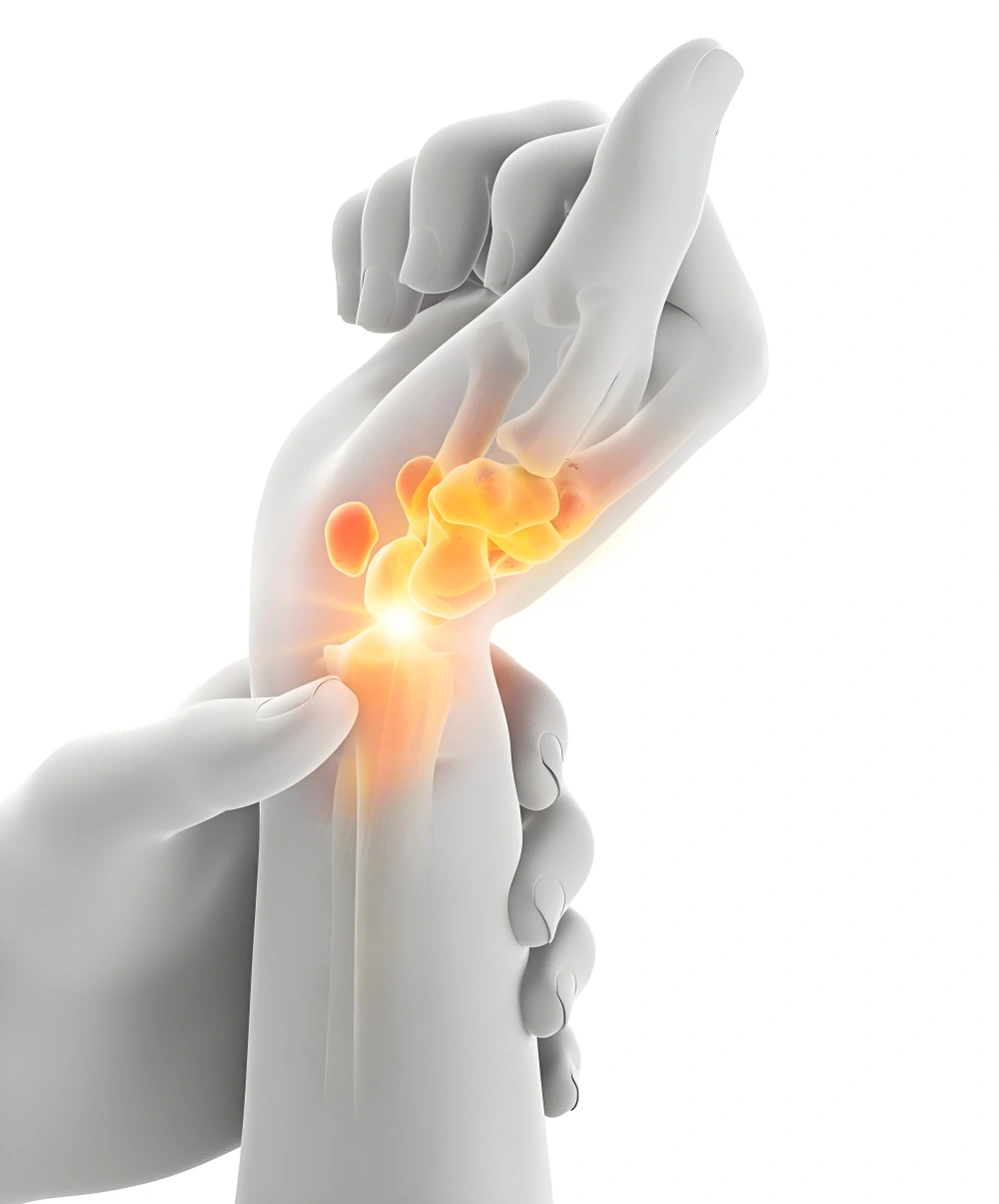
Hand arthritis is extremely common. It can affect finger joints, wrists, or even the entire palm. Here are the specific steps for the hands:
- Step 1: Clean your hands and sit in a comfortable chair. Rest your arms flat on a table with palms facing upward. Relax completely.
- Step 2: Identify key acupoints. For the hands, focus primarily on:
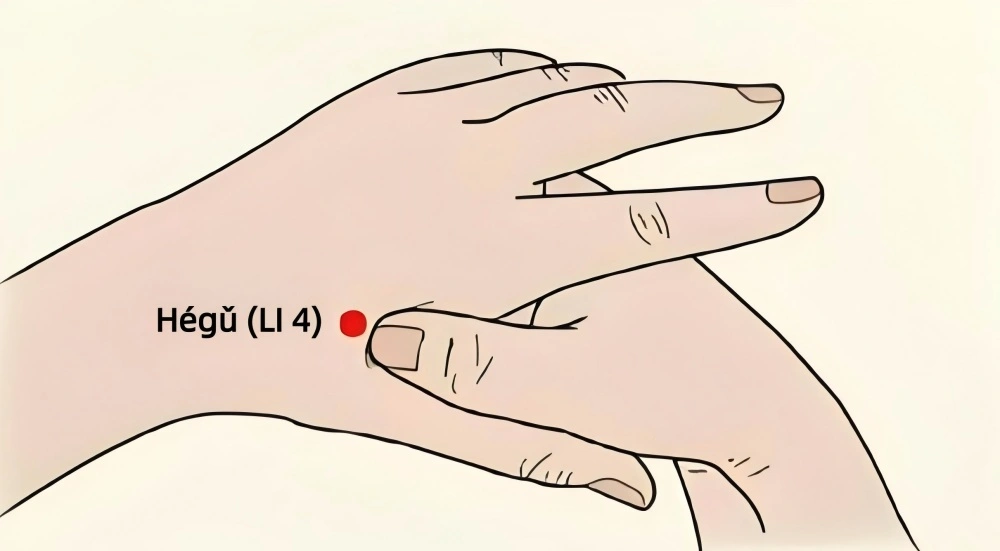
- Hegu (LI4) (between the thumb and index finger, at the web space)
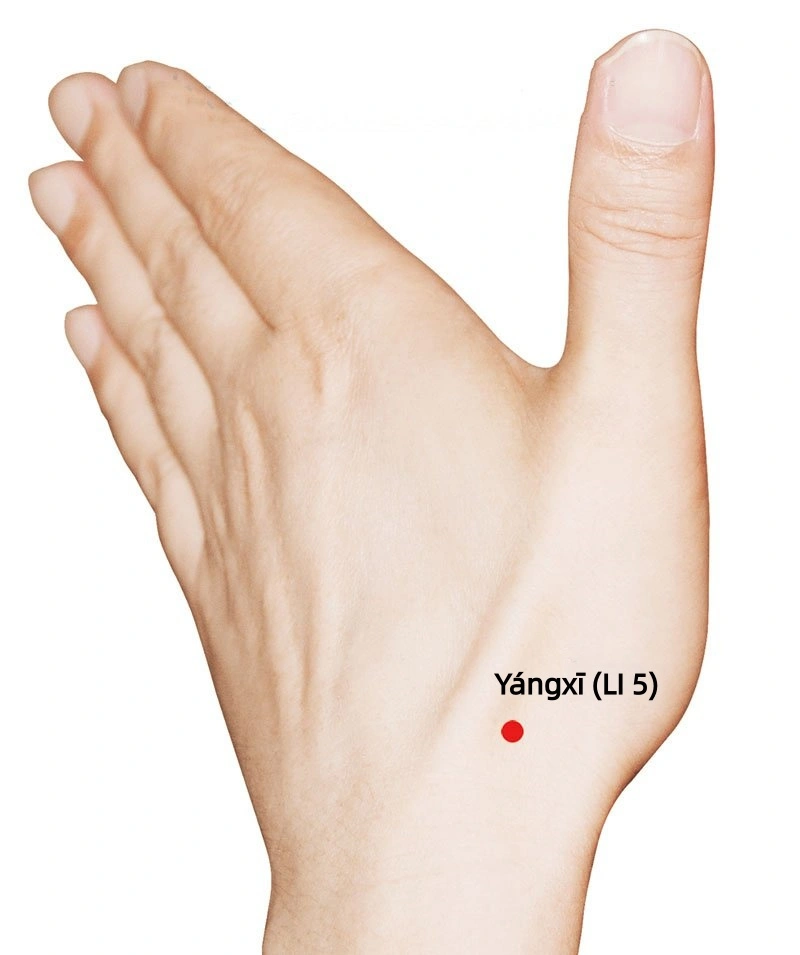
- Yangxi (LI5) (on the radial side of the wrist crease)
- And the areas around each painful finger joint
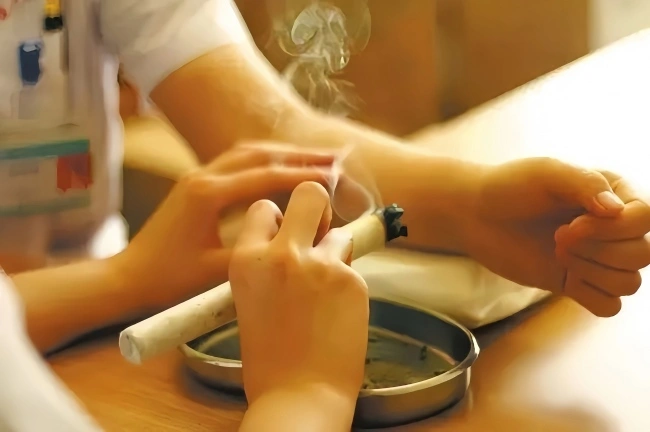
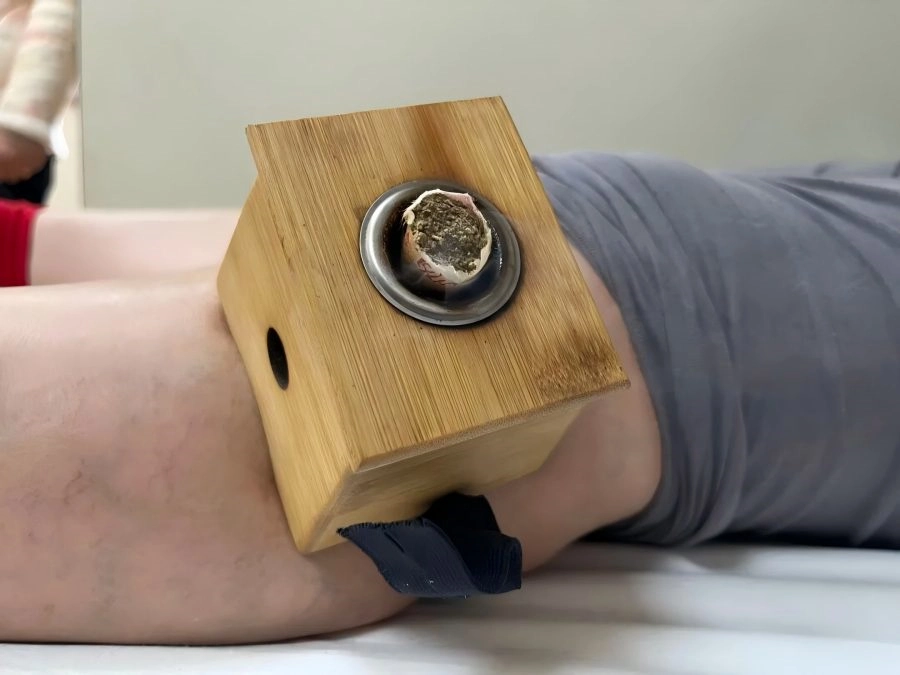
- Step 3: Light the moxibustion stick, ensuring it burns evenly. Use a handheld moxibustion stick or a small moxibustion box.
- Step 4: Begin at Hegu. Hold the moxibustion stick 2-3 cm above the skin, drawing small, gentle clockwise circles. The sensation should be warm, not burning. Continue for 5-7 minutes on each side.
- Step 5: Move to Yangxi. Maintain the same distance, warming the wrist area. If wrist pain is significant, extend to 8 minutes.
- Step 6: Target specific painful finger joints. Hold the moxibustion stick perpendicular to the joint and slowly move it up and down. Treat each severely affected joint for 3-4 minutes.
- Step 7: Finish by gently massaging all treated areas. Drink a cup of warm water to aid bodily circulation. Perform this routine 3-4 times weekly for one month.
Specific Steps for Moxibustion on Shoulder Joints
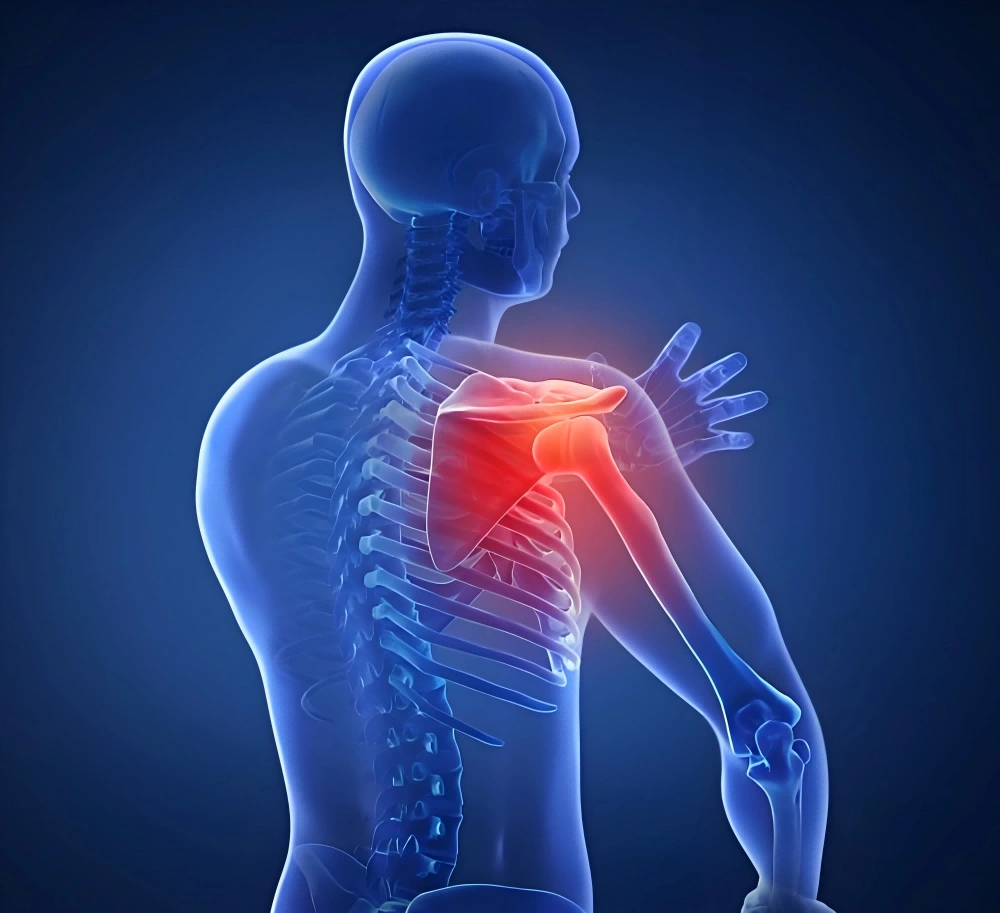
Shoulder joint issues may stem from osteoarthritis, tendonitis, or frozen shoulder. Moxibustion effectively relieves stiffness and pain.
- Step 1: Wear loose-fitting clothing that exposes the shoulder area. Lie on your side or sit, ensuring you are completely relaxed.
- Step 2: Locate key shoulder acupoints:
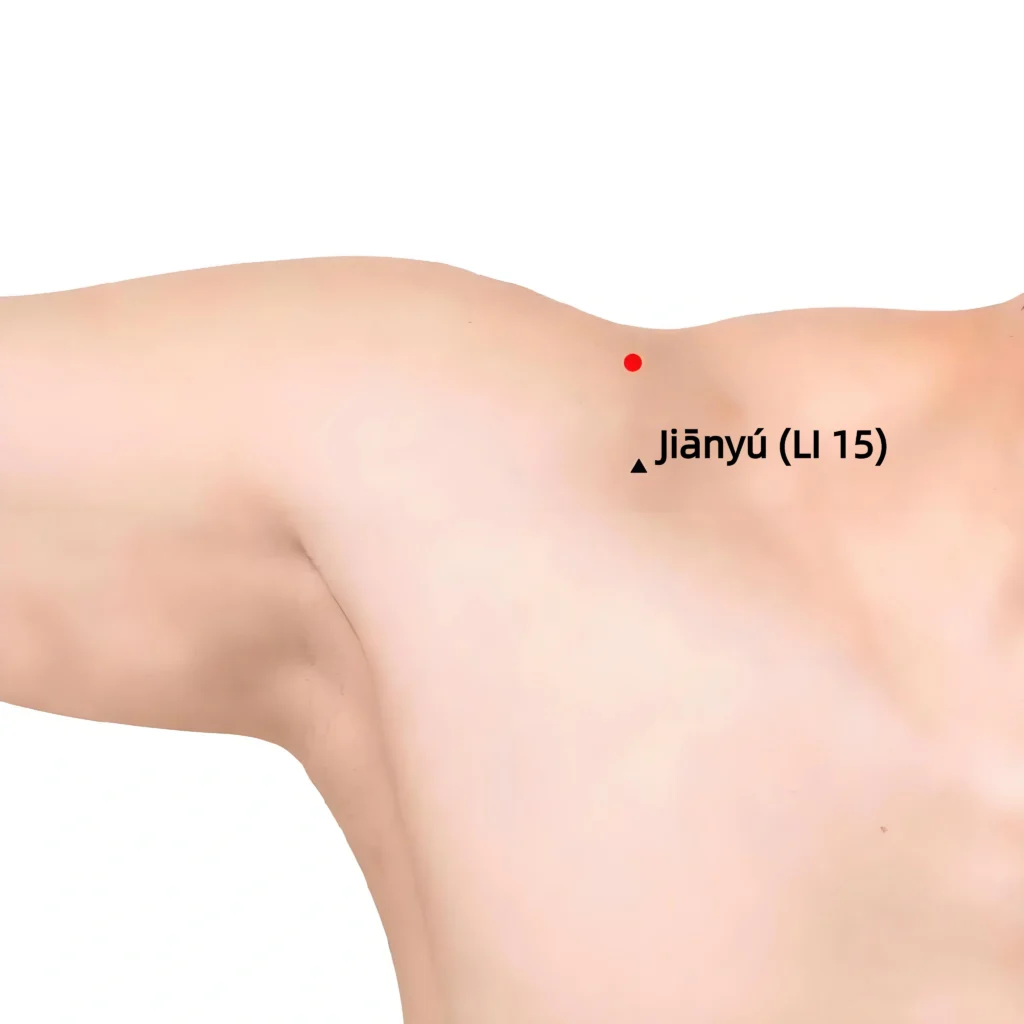
- Jianyu (LI15) (Depression in front of the shoulder when the arm is abducted)
- Jianliao (TE14) (the depression behind the shoulder when the arm is abducted)
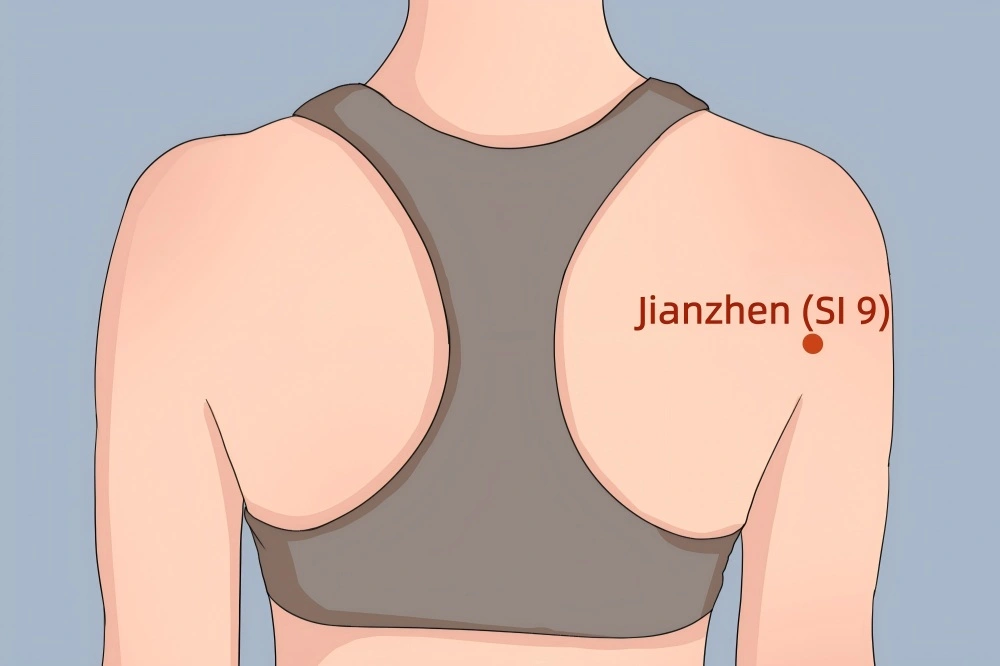
- Jianzhen (SI9) (one cun above the head of the posterior axillary fold)
- Step 3: Due to the shoulder’s position, use a moxibustion box or have a family member assist. Secure the moxibustion stick safely.
- Step 4: Begin at Jianyu. Place the moxibustion box on the point or perform suspended moxibustion with the stick for 10-15 minutes. The heat should penetrate deep tissues.
- Step 5: Move to the Jianliao point. Apply treatment for 10-15 minutes as well. If both shoulders are affected, treat the more painful side first.
- Step 6: Apply gentle stimulation to the Jianzhen point for 8-10 minutes.
- Step 7: After completion, slowly perform shoulder rotation exercises. Start with small ranges and gradually increase.
Specific Steps for Moxibustion on Foot Joints
Ankle and foot arthritis directly impacts mobility. Here’s the method:
- Step 1: Soak feet in warm water for 10 minutes.
- Step 2: Locate key acupoints:
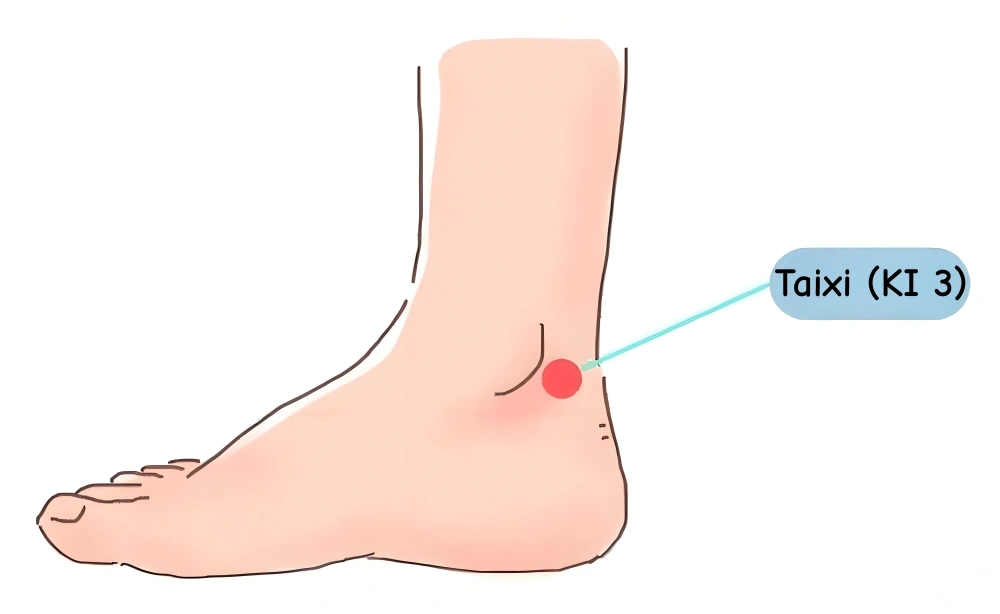
- Taixi (KI3) (depression between the inner ankle bone and the Achilles tendon)
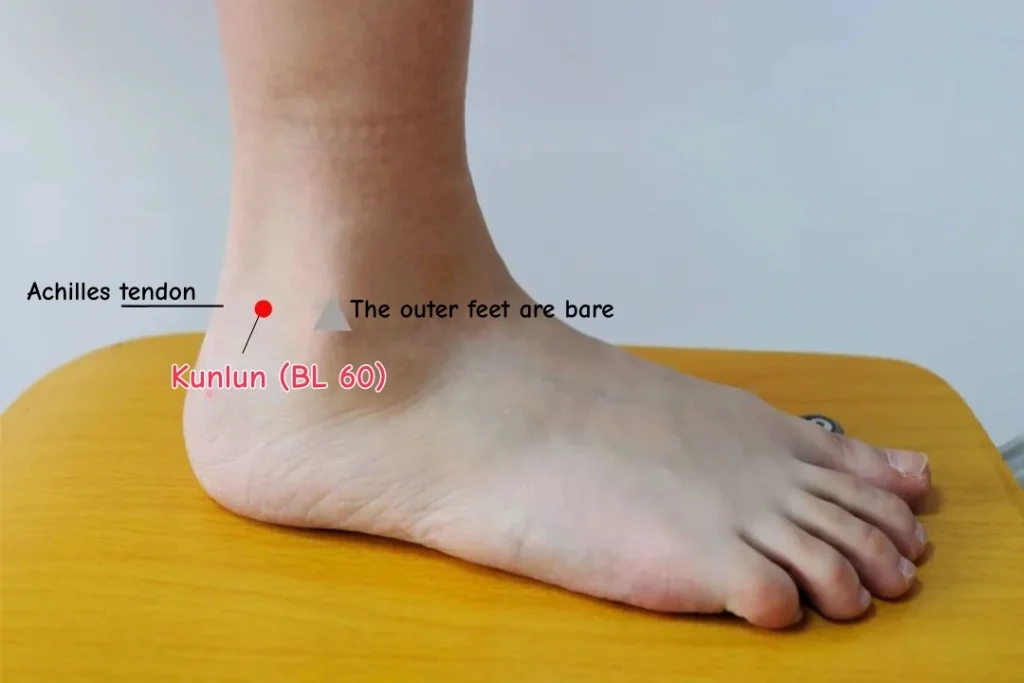
- Kunlun (BL60) (depression between the outer ankle bone and the Achilles tendon)
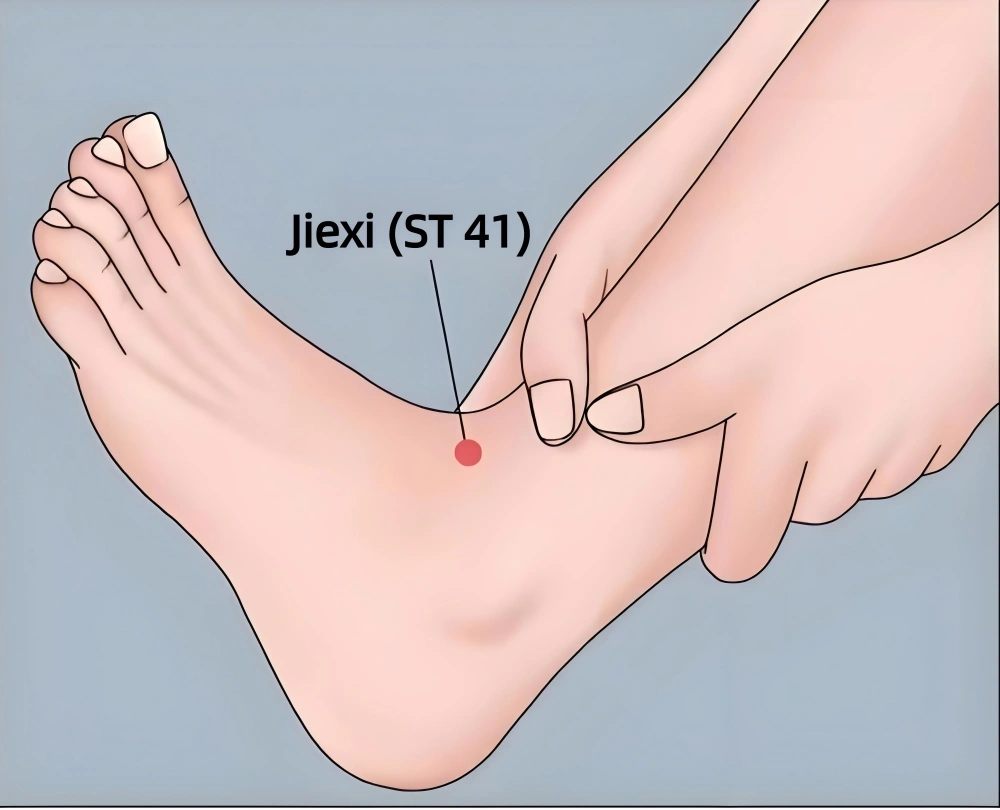
- Jiexi (ST41) (center of transverse crease on top of foot at ankle joint)
- Step 3: Sit comfortably with legs extended. Use a handheld moxibustion stick or small moxibustion box.
- Step 4: Begin at Taixi. Hold the moxibustion stick 3 cm above the skin and apply gentle stimulation for 8-10 minutes.
- Step 5: Move to Kunlun. Treat for 8-10 minutes. Simultaneously addressing both inner and outer ankles yields better results.
- Step 6: Target Jiexi. This key point relieves foot stiffness; treat for 7-8 minutes.
- Step 7: If toe joints ache, add 2-3 minutes per painful joint.
- Step 8: Finish by gently moving ankles and toes. Wear warm socks and avoid cold water immediately. Perform this routine 3 times weekly for several weeks.
Integrating Moxibustion into Daily Life
Successful cases often incorporate moxibustion into daily routines. Lisa, who suffered from knee and hand arthritis, dedicated Saturday mornings to her “self-care ritual” of tea, music, and moxibustion. This practice is a way of sending yourself a vital message: I deserve to be treated gently.
My Personal Reflection
As a practitioner, my fulfillment comes from witnessing a regained quality of life. Ms. Yuan, a gardener with severe arthritis, reclaimed her ability to prune roses through moxibustion and exercise. She reclaimed her fingers’ “memory”. Through natural therapies, we can coexist peacefully with arthritis, minimizing its impact.
Disclaimer: The following content is for informational purposes only and is based on Traditional Chinese Medicine (TCM) wellness practices. Moxibustion is a complementary therapy and should not replace professional medical advice, diagnosis, or treatment.
If you’re starting, find a qualified practitioner to learn foundational techniques first. Remember, consistency matters more than intensity. The body only needs a gentle reminder of warmth to activate its self-healing processes.