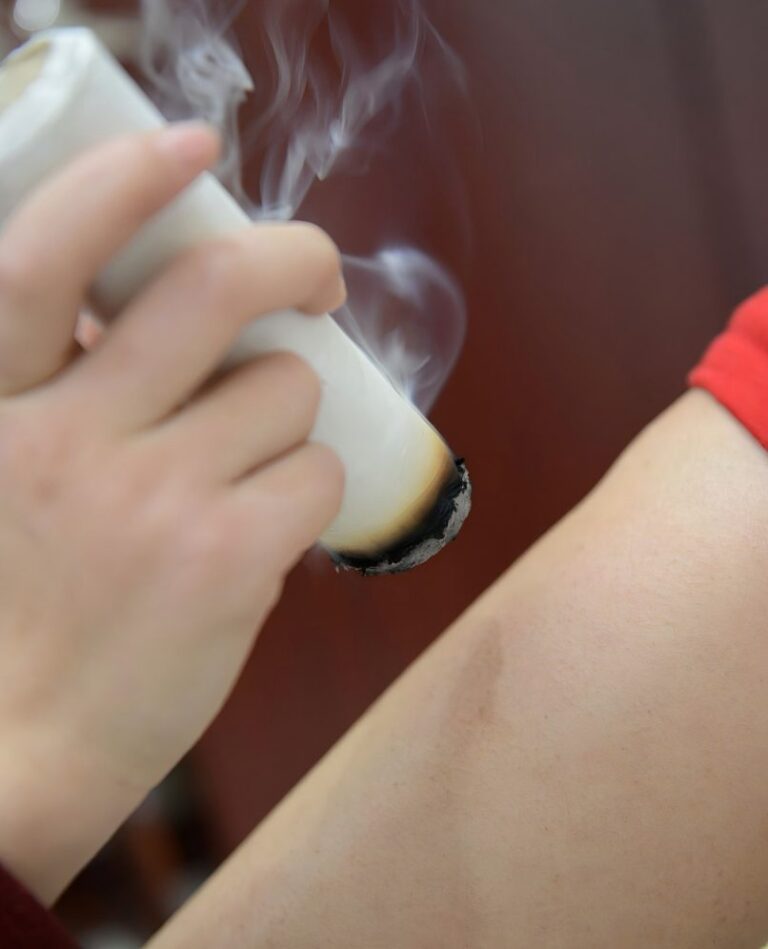
11 Crucial Home Moxibustion Safety Rules for Beginners
Home moxibustion is a traditional Chinese therapy that is increasingly being practiced at home. Not only is it convenient, but it also helps relieve pain, improve blood circulation, and boost immunity. However, there are certain risks if home moxibustion is not performed properly.
To help you practice home moxibustion safely and effectively, we have compiled 11 essential safety guidelines. Whether you are just beginning or already have some experience, these tips will help you avoid common mistakes and fully enjoy the benefits of home moxibustion.
- Problem 1: Does moxibustion have side effects?
- Question 2: What is the difference between moxibustion cones and moxibustion sticks?
- Question 3: How to choose high-quality moxibustion floss and moxibustion sticks for home moxibustion?
- Question 4: What should I do if I have halo moxibustion?
- Question 5: What’s wrong with a sore throat the day after moxibustion?
- Question 6: What should I do if I get blisters after home moxibustion?
- Question 7: How can I use home moxibustion to prevent internal heat (fire)?
- Question 8: How should I choose moxibustion points for home moxibustion?
- Question 9:Precautions During and After Home Moxibustion
- Question 10:How to Store Unused Moxibustion Sticks in Home Moxibustion
- Question 11:How to Safely Dispose of Moxibustion Ash in Home Moxibustion
Problem 1: Does moxibustion have side effects?
If you choose the right moxibustion points according to your physical condition, perform the procedure correctly, and apply home moxibustion in the proper amount, it generally does not produce moxibustion side effects.
However, if the selection of points is not allowed or improper operation occurs, the body may experience some discomfort. But don’t worry, as long as there is a timely adjustment, these discomforts will usually be relieved soon.
Additionally, when first starting moxibustion, some people may feel hot, fatigued, or have a dry mouth. Most of these reactions are normal and often disappear naturally after continuing moxibustion for a while.
These reactions occur because the heat of moxibustion is entering the body, pushing the body’s cold and dampness out of the body, the body’s positive qi and evil fight each other, triggering a temporary reaction, such as similar to the “fire” or local inflammation phenomenon.
When performing home moxibustion, it is essential to stay focused to avoid burns. Overall, home moxibustion is considered a very safe natural treatment.
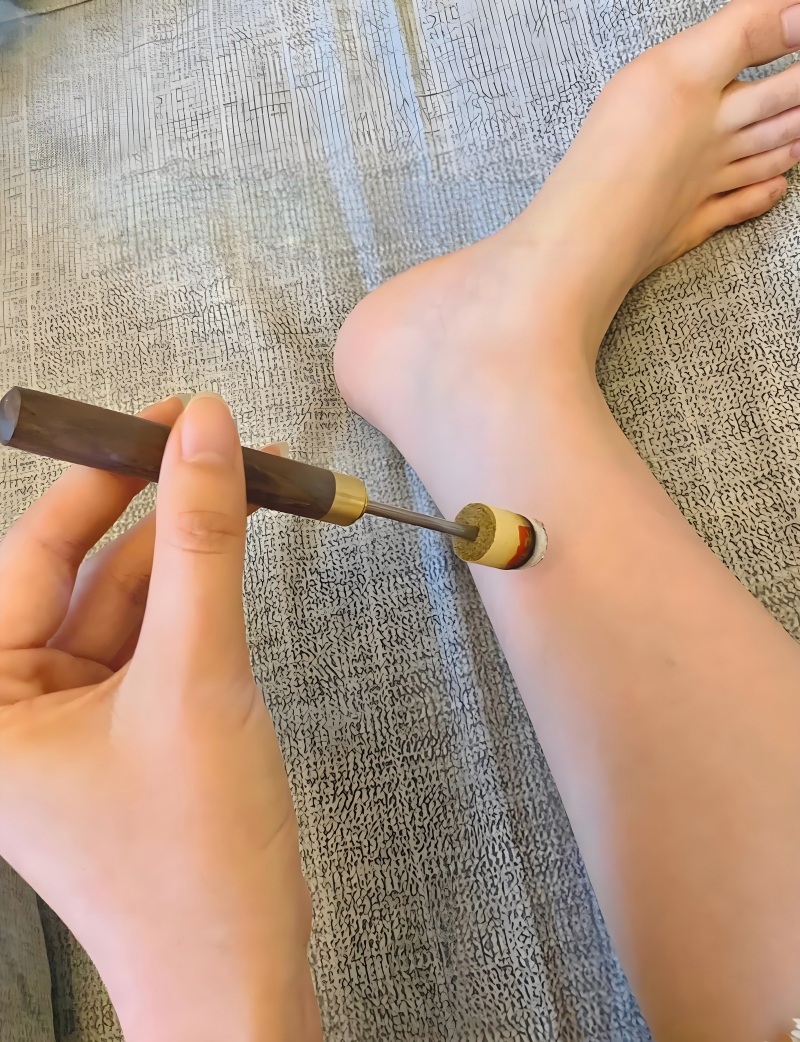
If you want to know more about the benefits of moxibustion, you can refer to this article:
Top 10 Scientific Benefits of Moxibustion
Question 2: What is the difference between moxibustion cones and moxibustion sticks?
The two materials commonly used in moxibustion are moxibustion cones and moxibustion sticks. They are both made from mugwort and work in the same way, but differ in shape and use.
Moxibustion Cones
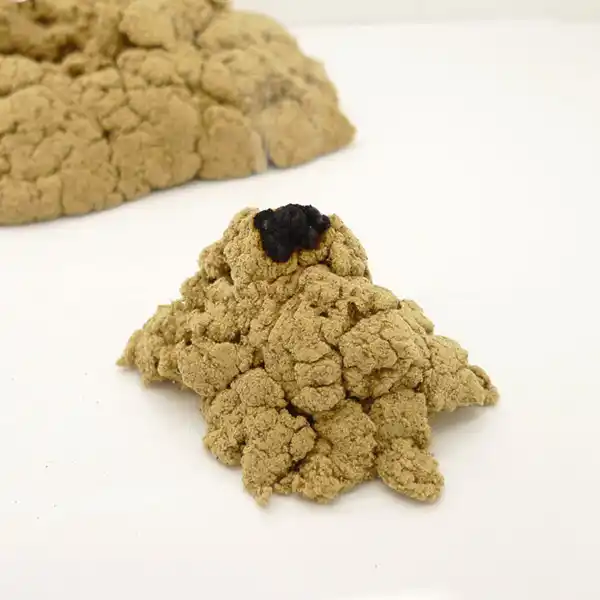
Moxibustion cones are made of pure moxibustion floss rolled into conical shapes of various sizes. Their use can be divided into direct and indirect moxibustion:
When applied directly to the skin, it is called direct moxibustion; when applied through a medium such as ginger or salt, it is called indirect moxibustion.
Small cones, about the size of a grain of wheat, are typically used for direct moxibustion. Medium to large cones, such as half a jujube or the size of an olive, are mostly used for indirect moxibustion.
Each cone burned to completion is usually counted as one session.
Moxibustion Sticks
Moxibustion sticks are long rolls of moxibustion floss compressed into a cylindrical shape. There are two types: pure moxibustion sticks, which contain only moxibustion floss, and medicinal moxibustion sticks, which include additional herbs to enhance therapeutic effects.
For in-home moxibustion, you can choose the type of moxibustion stick based on your personal needs and desired outcomes.
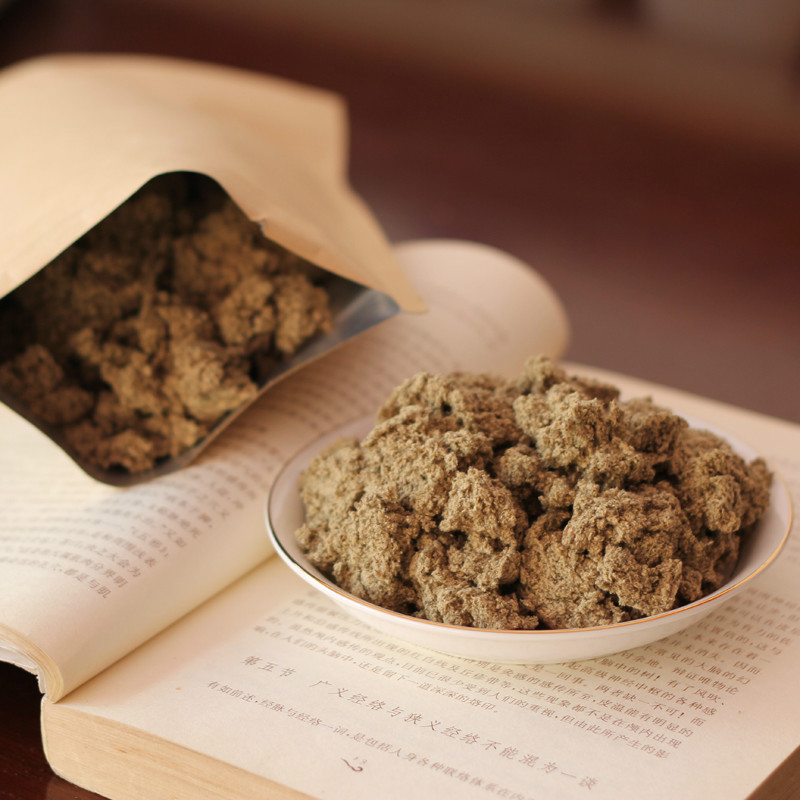
Question 3: How to choose high-quality moxibustion floss and moxibustion sticks for home moxibustion?
The quality of moxibustion floss and moxibustion sticks directly determines the effectiveness of home moxibustion, so you must choose them carefully.
How to choose moxibustion floss?
Good moxibustion velvet usually meets the following conditions:
- No impurities, dry and delicate;
- It will not fall off when rubbed by hand.
- Easily lit, but with little open flame;
- Less smoke and a clean flavor.
In addition, how long the moxibustion has been stored also affects the results – usually, aged moxibustion is more effective. Fresh moxibustion wool is grayish white in color, while the quality moxibustion wool that has been stored for a longer period of time is earthy yellow or golden yellow. Those with a golden color and uniform texture are often referred to as “golden moxibustion floss”.
How to choose moxibustion sticks?
To judge the quality of moxibustion sticks, the key is to look at the purity and texture of the moxibustion velvet inside. The following methods can be used to help identify the quality of moxibustion sticks:
Squeeze the section of the moxibustion stick with your hand; the one that is firm and delicate is usually better.
Observe after lighting, if the smoke is less, the fire is mild, the flavor is fragrant, and the combustion is stable and long-lasting, it means that the quality is good. On the contrary, if it is easy to extinguish the fire, smoke, and taste pungent, it may be poor-quality products.
Question 4: What should I do if I have halo moxibustion?
During home moxibustion, some individuals may experience dizziness, blurred vision, nausea, blushing, panic, or even fainting—a condition that must be taken seriously.
Regardless of the cause, if fainting occurs during home moxibustion, stop the procedure immediately and lie down flat to rest.”
If it is caused by low blood sugar, you can drink a glass of sugar water. For general fainting moxibustion, you can press acupoints such as Renzhong, Yongquan, and Shenmen to help relax and relieve tension.
Dizziness during home moxibustion is often caused by a weak constitution, overly strong stimulation, uncomfortable posture, or poor ventilation.
Those with a weaker constitution should relax, start with a small amount of moxibustion, and use gentle, restorative techniques.
People prone to dizziness are advised not to perform moxibustion while sitting or standing, as these positions may increase discomfort.

Moxibustion at home should be done in a well-ventilated space at the right temperature to prevent dizziness.
Question 5: What’s wrong with a sore throat the day after moxibustion?
After moxibustion, some people will experience a reddish color and a dry, sore throat.
This is actually a relatively common reaction and not something to worry too much about.
The heat of moxibustion enters the body and promotes blood circulation, accelerating the elimination of cold from the body. The process will consume a certain amount of water; if not properly replenished, it may appear similar to the “fire” feeling, such as a dry and sore throat.
It is recommended to drink some warm water before and after moxibustion to help the body replenish water.
In general, you can continue to do moxibustion; these symptoms will gradually disappear as the body adapts, which also indicates that the body’s cold is being expelled.

Question 6: What should I do if I get blisters after home moxibustion?
Some people may develop blisters after just one session of home moxibustion, while others experience them only after several sessions—or not at all.
In traditional Chinese medicine, blisters are often seen as a sign of excess dampness in the body and are considered one of the common reactions to moxibustion. But pay attention to whether it is moxibustion burns or moxibustion flowers
If the blisters are small, it is best to leave them alone and allow them to heal naturally.
For larger blisters, you may use a sterilized needle to puncture them and release the fluid gently, then apply a small amount of iodophor or gentian violet lotion, and cover the area with sterile gauze.
Avoid using adhesive bandages, as they are not breathable. Once the blisters have improved, you can continue with home moxibustion.
If multiple blisters occur, consider reducing the frequency or intensity of your sessions—for example, practicing moxibustion for three consecutive days and then taking a rest day.
In traditional practice, blistering was even regarded as a positive response, believed to indicate that the body was eliminating pathogenic factors and moving toward recovery.
From the perspective of traditional Chinese medicine, the fluid inside blisters is considered stagnant waste, and releasing it may help support the healing process.
While we don’t need to deliberately pursue blistering, there is also no need to fear it—trust in the body’s natural ability to restore balance.
Question 7: How can I use home moxibustion to prevent internal heat (fire)?
Home moxibustion works by clearing the meridians through the warming effect of fire, which makes it naturally “fiery.” If the method is applied improperly, however, excess heat may accumulate in the body and lead to internal fire.
To reduce this risk, we recommend focusing on two key abdominal points—the navel and the lower abdomen—along with a few essential acupoints. This approach is both effective and less likely to cause internal heat, especially for people with cold and damp constitutions, poor qi and blood circulation, or low immunity.
Before starting home moxibustion, drink some warm water. In the beginning, keep the moxibustion stick farther away from the skin and apply it for a shorter duration, gradually increasing the intensity as your body adapts. After the session, it is also helpful to drink water or eat fruit to replenish fluids.
People who are prone to internal fire, have a naturally hot constitution, or suffer from Yin and fluid deficiency should be especially cautious. For them, home moxibustion is best practiced under the guidance of a professional.
Question 8: How should I choose moxibustion points for home moxibustion?
Home moxibustion is an integrated therapy that combines acupoints, the medicinal effects of moxibustion, and heat. Choosing the right acupoints is crucial for achieving the best results. Here are three simple and practical principles:
- 1. Select acupoints by pain location
If you have pain in a certain area, you can apply moxibustion directly to that spot, such as for muscle pain or joint discomfort. Press with your hand to find the most sensitive or painful point—this often indicates a suitable location for moxibustion. In Chinese medicine, this type of point is known as an Ah Shi point (sometimes called an “Ah Yes” point). - Select acupoints according to the affected organ
For spleen and stomach problems, choose points along the spleen and stomach meridians; for heart discomfort, use acupoints related to the heart meridian. This method targets the root cause and tends to be more effective. - Select acupoints according to symptoms
For example, for headaches, you may choose points such as Shenmen or Yintang, which help calm the mind and relieve pain. For fatigue, apply moxibustion to Zusanli (ST36), a well-known point for strengthening health and boosting energy.
Ancient doctors often recommended the following acupoints to maintain health:
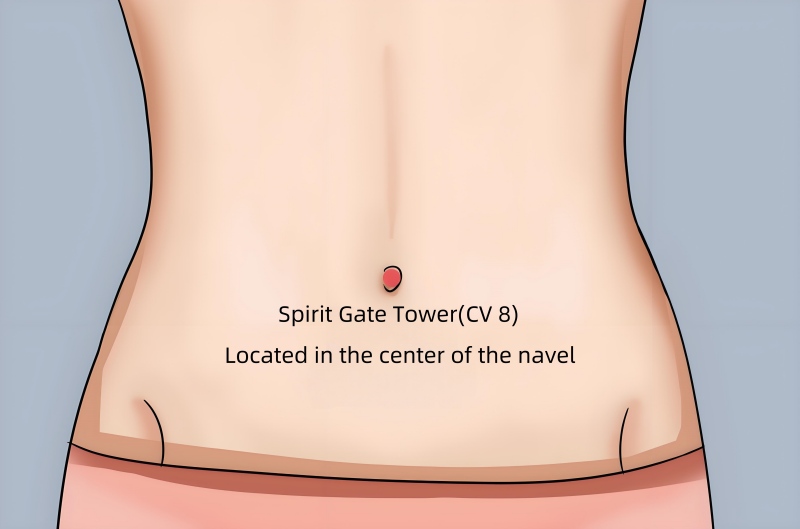
- Ren Vessel (Conception Vessel, Ren Mai): Shenque (CV8), Qihai (CV6), Guanyuan (CV4)
- Governing Vessel (Du Mai): Mingmen (GV4), Dazhui (GV14), Baihui (GV20)
- Bladder Meridian: Feishu (BL13), Shenshu (BL23)
- Stomach Meridian: Zusanli (ST36)
- Gallbladder Meridian: Fengshi (GB31), Huantiao (GB30)
These acupoints help tonify qi and blood, strengthen the body, and promote overall wellness. Therefore, whether for daily health care or for regulating specific conditions, you can alternate among these points when applying home moxibustion.
Question 9:Precautions During and After Home Moxibustion
Whether during or after Home Moxibustion, paying close attention to the right precautions can help achieve better results and avoid unnecessary risks. Below, we outline the key points to consider at each of these two stages.
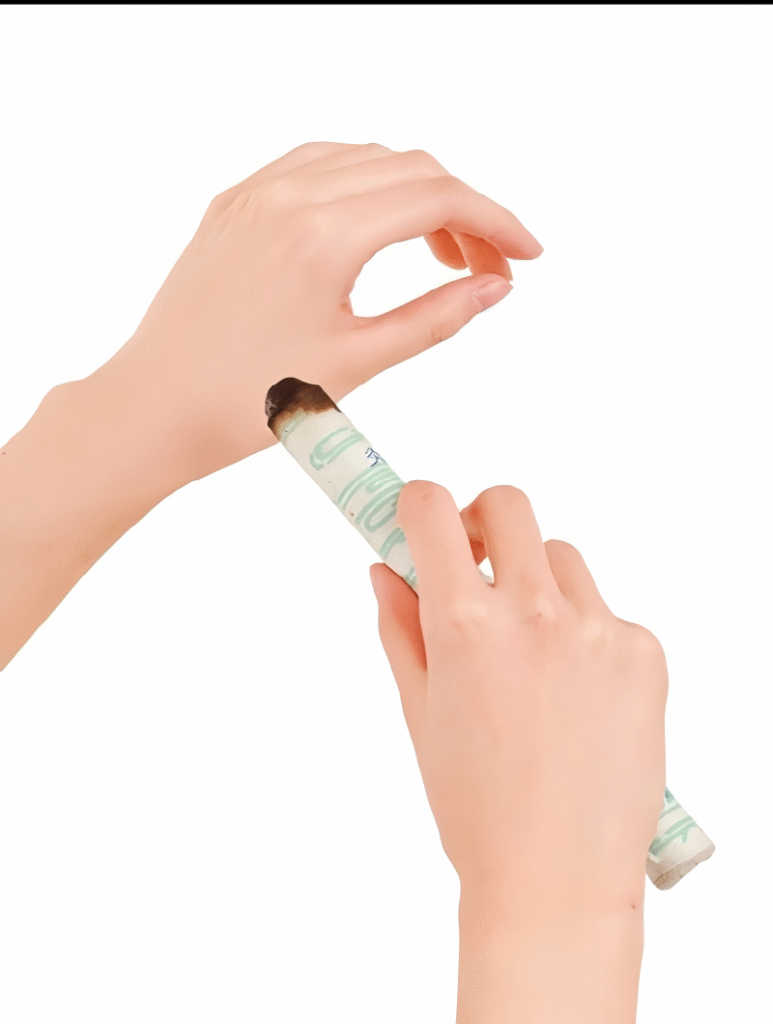
During Home Moxibustion:
If you plan to perform moxibustion on several points at the same time and the locations are scattered, the recommended order is: back first, then chest and abdomen; head and torso first, then limbs.
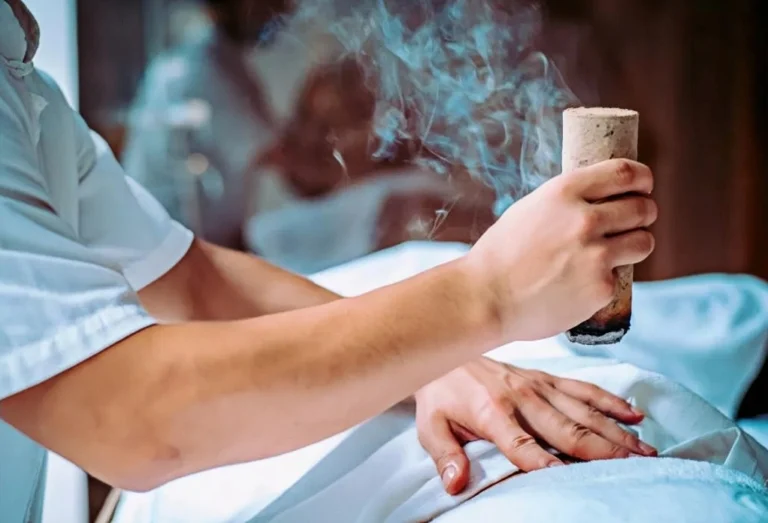
Since Home Moxibustion usually takes some time, make sure to choose a comfortable position. This allows both your body and mind to stay relaxed, which will improve the overall effect.
Special care should always be taken to prevent burns during the process, especially when applying moxibustion to the face or when treating children.
After Home Moxibustion:
After completing Home Moxibustion, always ensure that the moxibustion sticks are fully extinguished to prevent any fire hazards or accidents.
If you experience discomfort afterward, it is advisable to get adequate rest, drink some warm water, or gently press acupoints such as Hegu and Houxi to help relieve the symptoms.
In case blisters appear, keep the affected area clean and disinfected to reduce the risk of infection.
Question 10:How to Store Unused Moxibustion Sticks in Home Moxibustion
After completing Home Moxibustion, if the moxibustion sticks are still burning, make sure to extinguish them completely. Once cooled, place them in a dry location and keep them sealed so they can be reused next time.
Because moxibustion sticks are highly susceptible to moisture, especially during humid seasons, it is advisable to dry them periodically by exposing them to sunlight. The same precaution applies to leftover moxibustion floss.
After drying, store the moxibustion sticks or moxibustion floss in a clean, dry, and well-sealed container to maintain their quality and effectiveness.
Question 11:How to Safely Dispose of Moxibustion Ash in Home Moxibustion
No matter which Home Moxibustion method you use, moxibustion ash will inevitably be produced after each session. Many people simply throw it away, but in fact, moxibustion ash has several practical uses. It is best to first ensure that the ash is fully cooled, then collect it in a box or container for safe storage and possible future use.
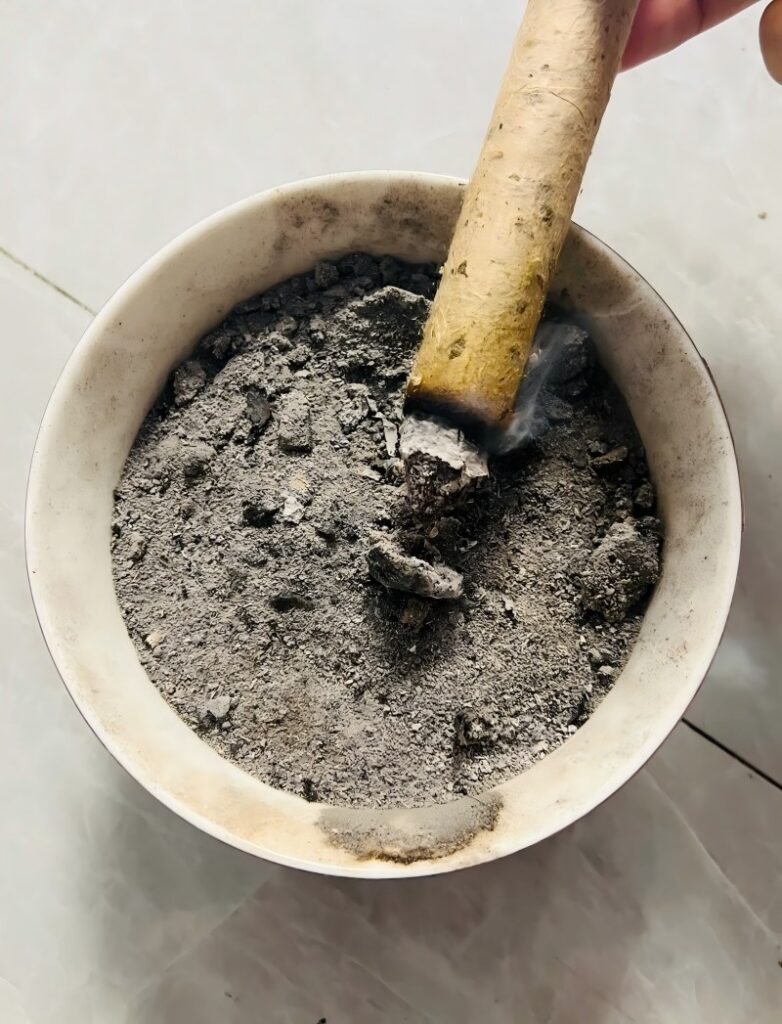
For more information about the use of moxibustion ash, you can read the following 4 Amazing Ways to Repurpose Moxibustion Ash.
We hope this information helps you practice home moxibustion more safely and effectively. In case of serious discomfort, it is recommended to consult a medical professional.